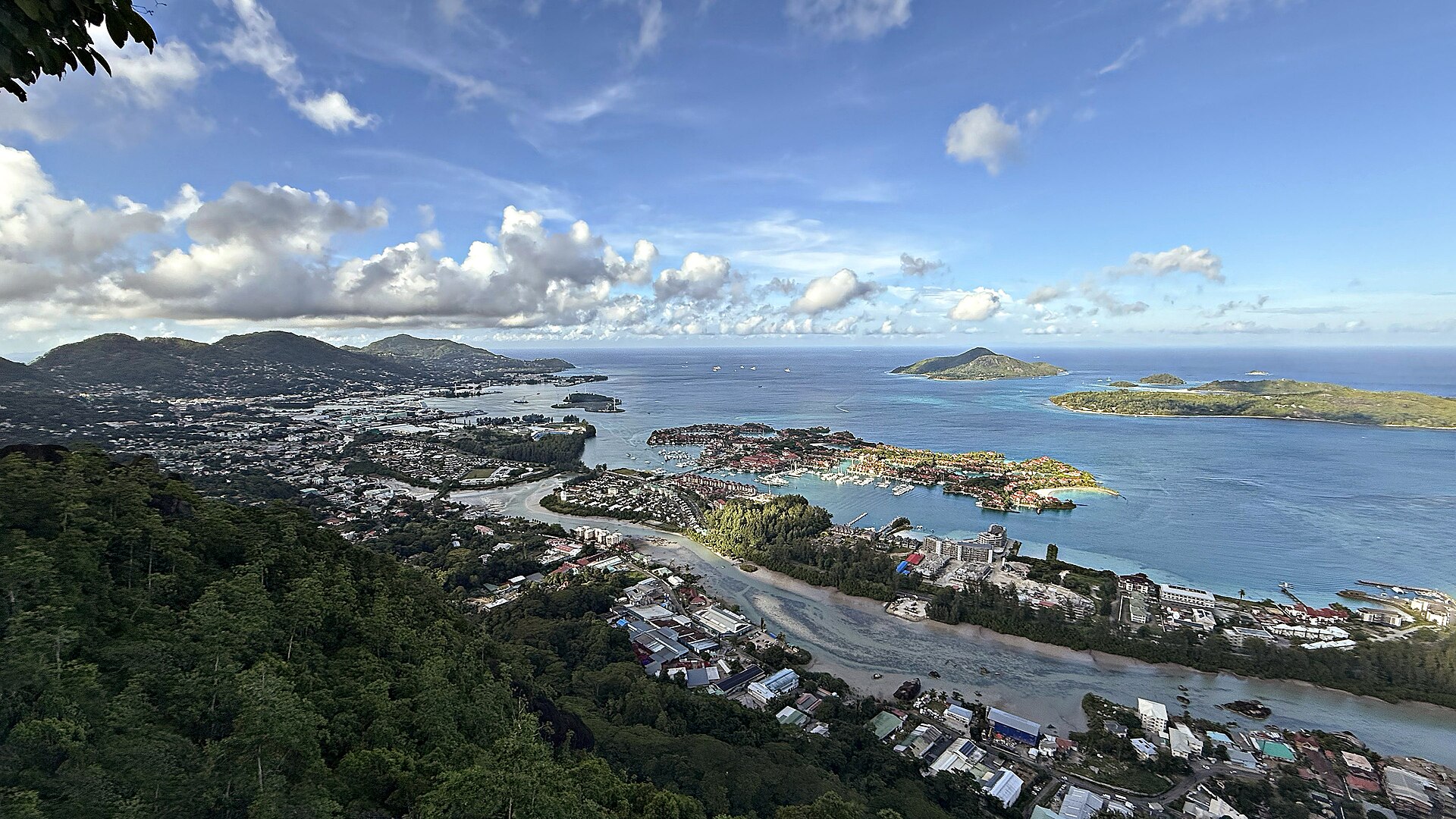
Russian nationals enter the Seychelles visa-free, but must obtain an electronic Travel Authorisation before departure at: seychelles.govtas.com.
Cost: €10 — standard processing (24 hours), €30 — express (6 hours). The authorisation may be issued no earlier than 30 days before departure. Required for every crew member, including children.
Accommodation field: for days on the catamaran (12–19 December) enter Marine Project as the company name. For hotel stays before or after the charter — enter the hotel name.
On arrival you will need: a valid international passport (at least 6 months), a return air ticket, proof of accommodation (yacht charter or hotel booking), sufficient funds (~$150/day). Medical insurance is mandatory, specifying "yachting" as the activity. No vaccinations required.
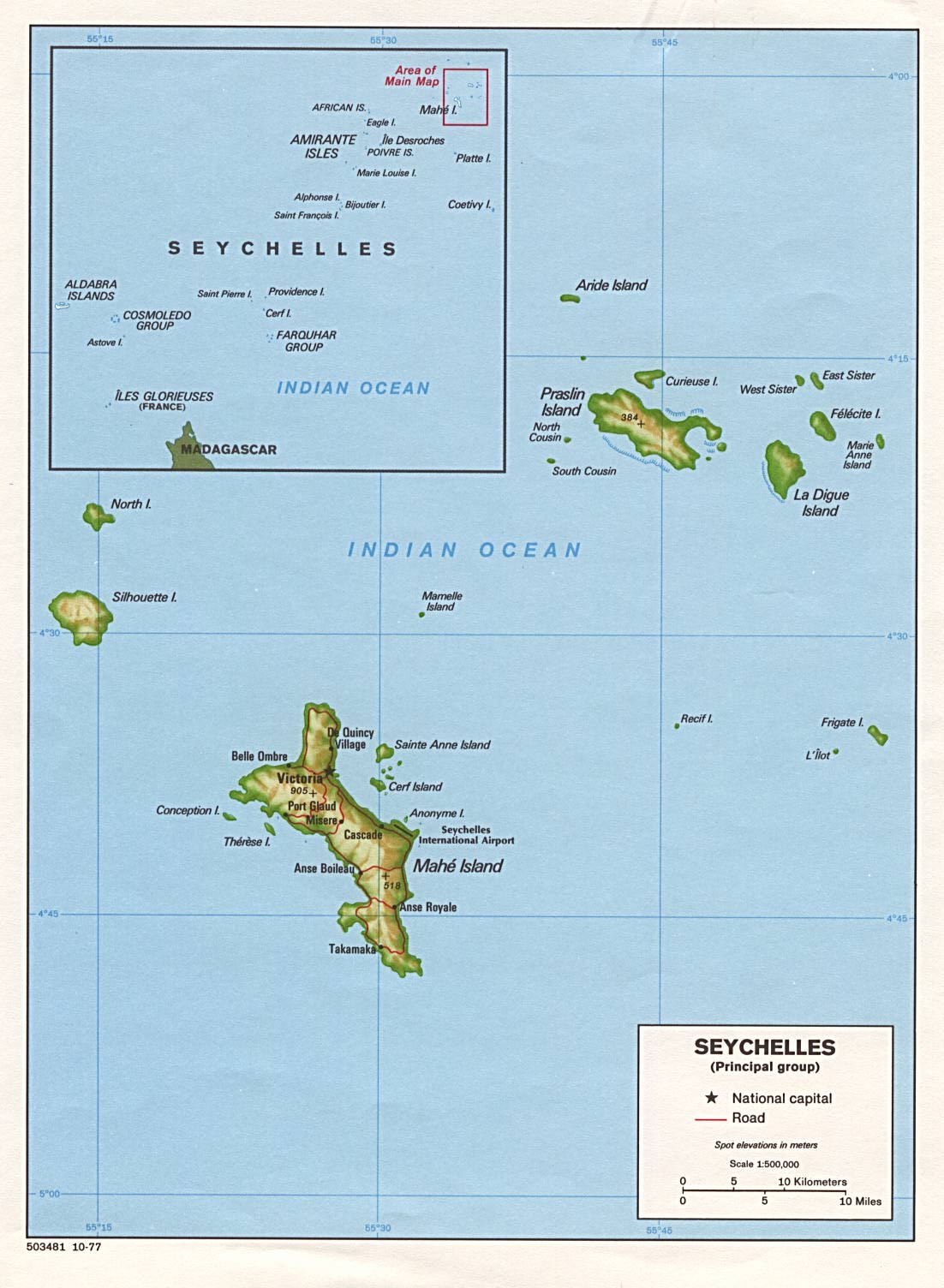
Map
On board
Crew
Name
Role
Outbound
Return
Kirill Erkov
Skipper
EY 844 · SVO → AUH10 Dec 23:50 → 11 Dec 06:35EY 1001 · AUH → SEZ11 Dec 07:50 → 11 Dec 12:25
EY 1000 · SEZ → AUH19 Dec 20:30 → 20 Dec 01:05EY 841 · AUH → SVO20 Dec 02:55 → 20 Dec 07:45
Saida Erkova
Crew
Artemiy Erkov
Co-Skipper
Ekaterina Erkova
Crew
Sergey Filipkov
Crew
TK 1998 · LGW → IST10 Dec 17:05 → 11 Dec 00:05TK 748 · IST → SEZ11 Dec 02:15 → 11 Dec 11:00
TK 749 · SEZ → IST19 Dec 21:00 → 20 Dec 04:10TK 1981 · IST → LGW20 Dec 08:05 → 20 Dec 09:10
Inna Sokolova
Crew
Oleg Kostrov
Crew
SU 244 · SVO → SEZ12 Dec 01:45 → 12 Dec 11:40
SU 245 · SEZ → SVO19 Dec 13:40 → 19 Dec 22:10
Nikolay Kostrov
Crew
Sofia Kostrova
Crew
Semyon Kostrov
Crew
Kirill Erkov
Skipper
Saida Erkova
Crew
Artemiy Erkov
Co-Skipper
Ekaterina Erkova
Crew
Outbound
EY 844 · SVO → AUH10 Dec 23:50 → 11 Dec 06:35EY 1001 · AUH → SEZ11 Dec 07:50 → 11 Dec 12:25
Return
EY 1000 · SEZ → AUH19 Dec 20:30 → 20 Dec 01:05EY 841 · AUH → SVO20 Dec 02:55 → 20 Dec 07:45
Sergey Filipkov
Crew
Inna Sokolova
Crew
Outbound
TK 1998 · LGW → IST10 Dec 17:05 → 11 Dec 00:05TK 748 · IST → SEZ11 Dec 02:15 → 11 Dec 11:00
Return
TK 749 · SEZ → IST19 Dec 21:00 → 20 Dec 04:10TK 1981 · IST → LGW20 Dec 08:05 → 20 Dec 09:10
Optional: a walk around Victoria, the capital of the Seychelles. Visit the colourful market: built in 1840 and renovated in 1999, it remains the beating heart of the capital. The best place to buy fresh fruit, fish, vegetables and spices. Saturday mornings are especially lively — market stalls sit alongside boutiques selling souvenirs, clothes and local art.
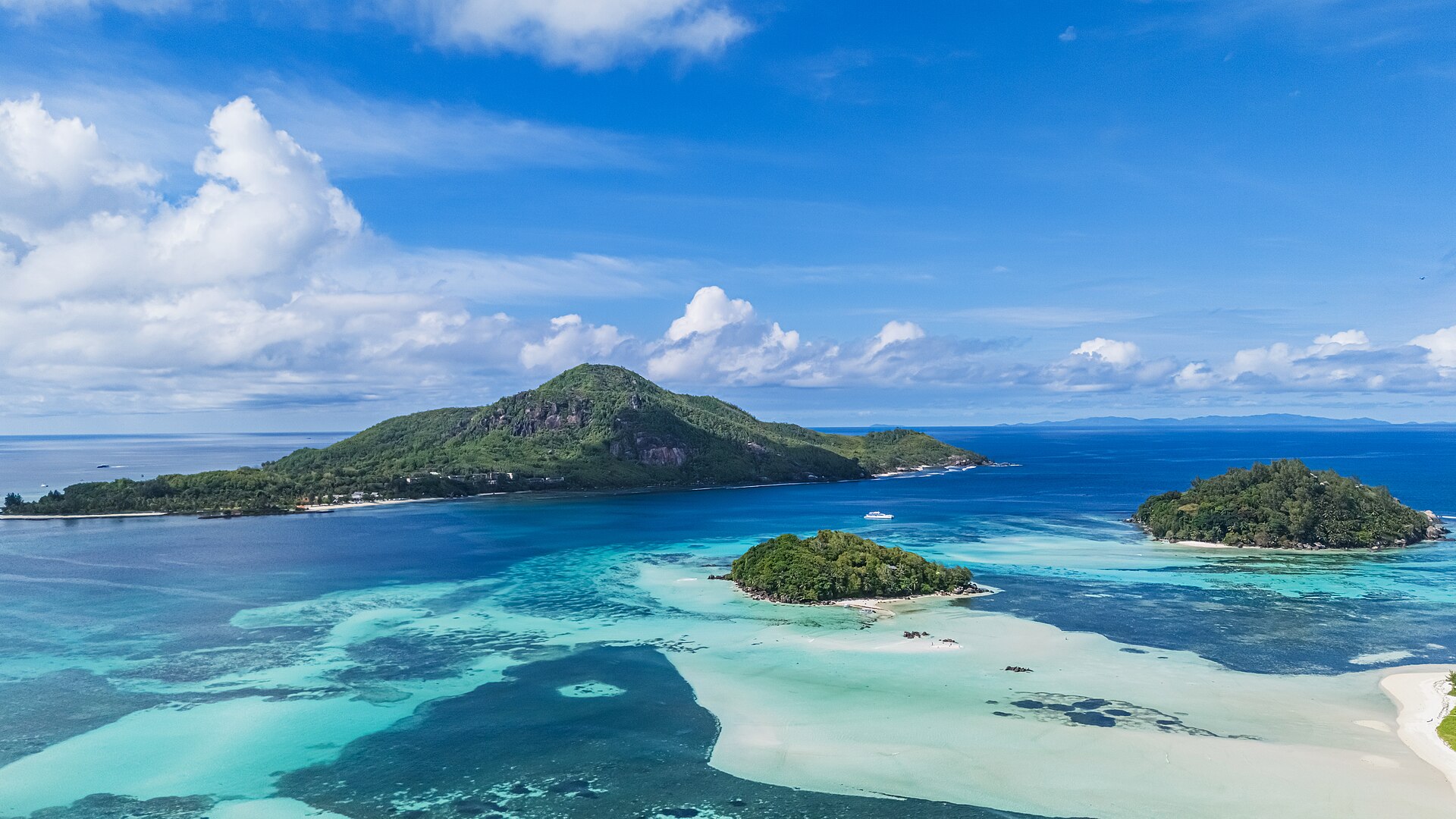
From 15:00 — board and sail to Sainte Anne Marine National Park. The park encompasses one of the largest seagrass meadows among the granite islands of the archipelago: green and hawksbill turtles are frequently spotted here, and spinner dolphins are a common sight.
Sainte Anne Island was the site of the first settlement in the Seychelles in 1770 — colonists preferred it to the crocodile-infested swamps of Mahé. Later it housed a whaling station, and during World War II — a Royal Marine base guarding the entrance to Victoria harbour. Neighbouring Moyenne Island is said to hold buried treasure, while Round Island once served as a leper colony.
The park is part of the natural and cultural heritage of the Seychelles. Leave nothing but footprints — take only photographs and memories.
~30 milesFishing en routeAnse Source d'ArgentBicycles
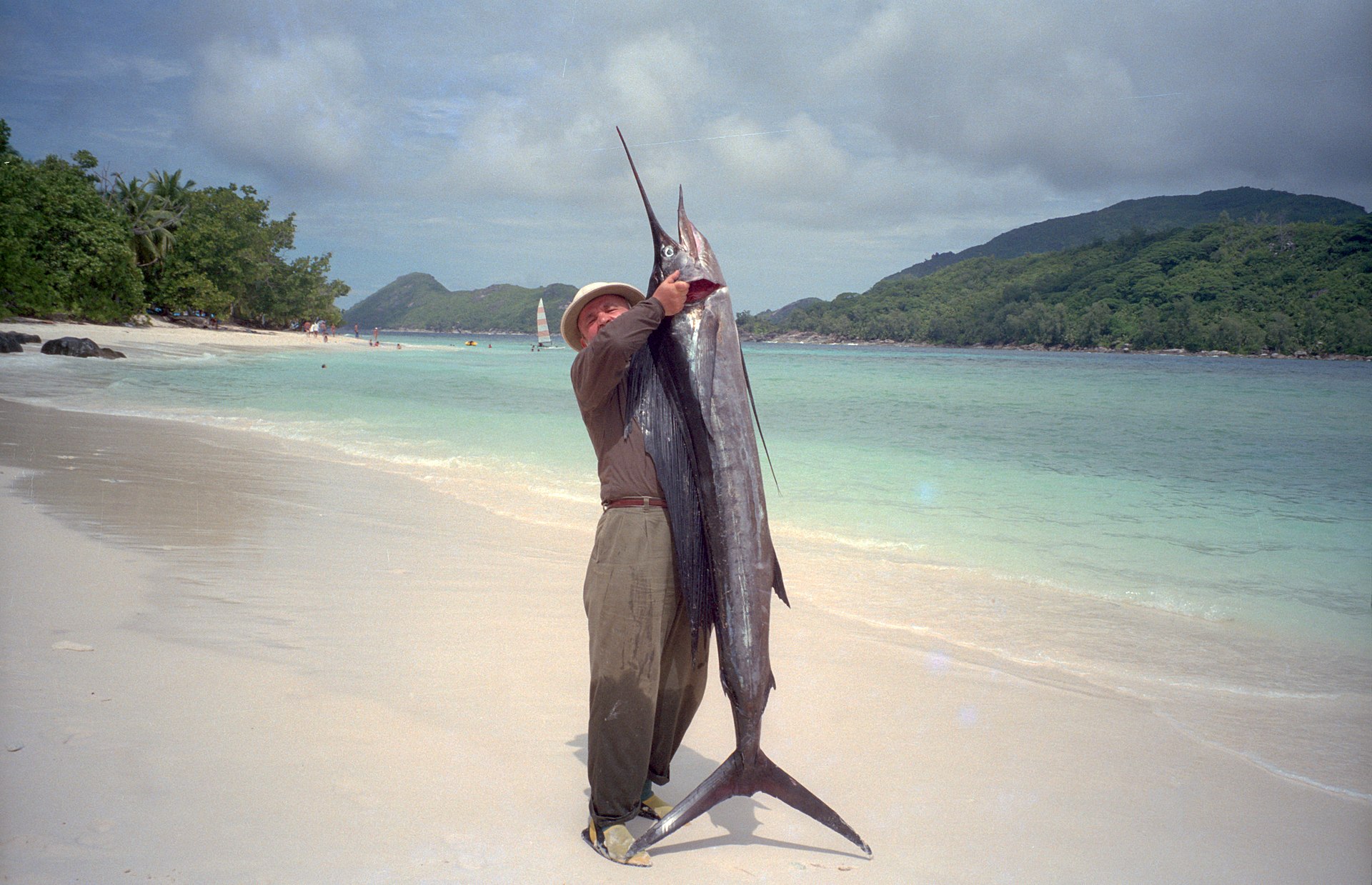
Morning departure from Moyenne with trolling lines out. The waters around the Seychelles are rich in fish — the passage promises excitement and the chance to land a trophy catch.
La Digue — the fourth-largest island of the Seychelles, the closest neighbour of Praslin and its satellite islands: Félicité, Marianne and the Sisters. The island takes its name from one of the ships of Marion Dufresne's expedition, sent by France to survey the granite islands of the archipelago in 1768.
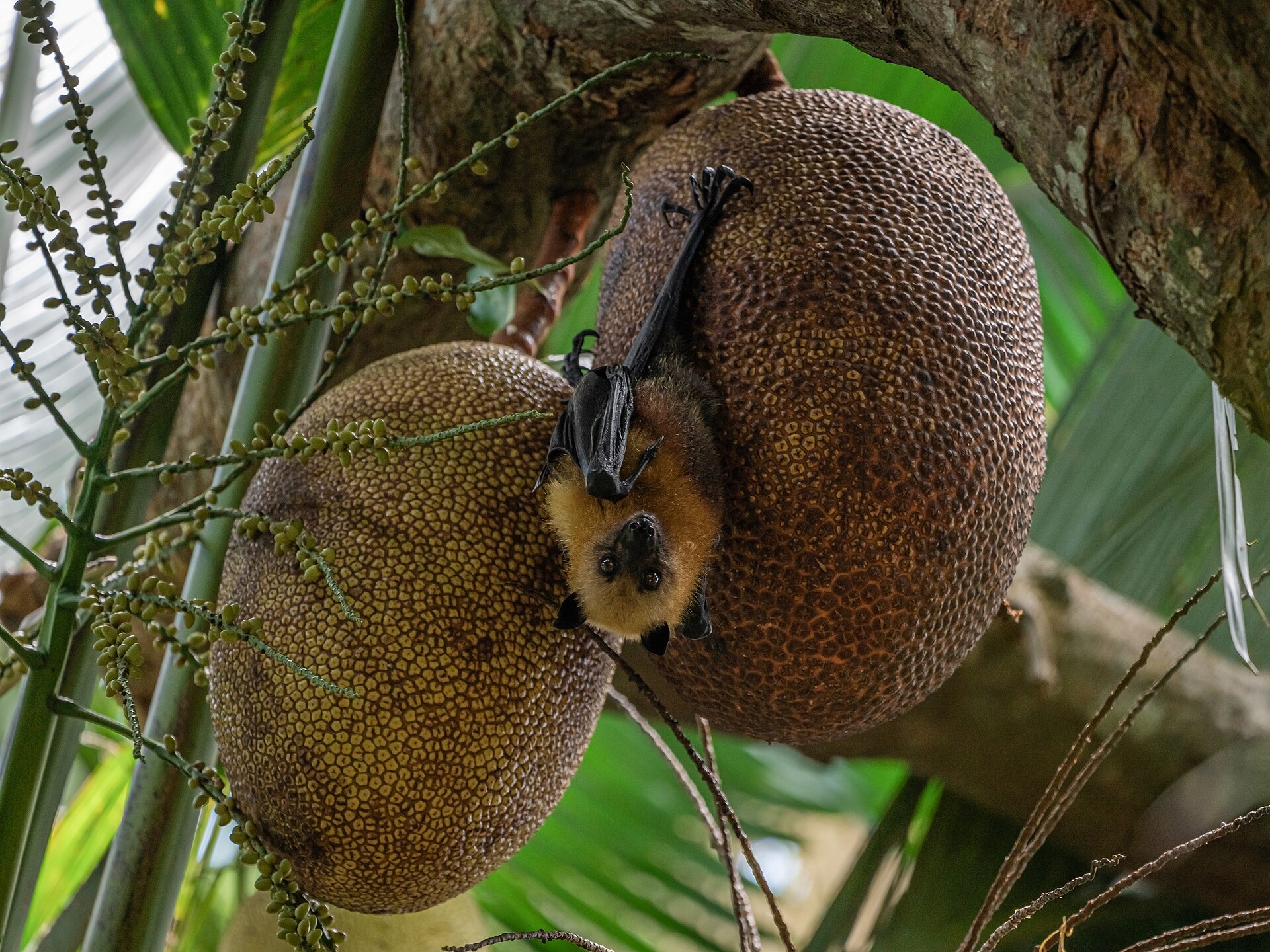
The island is home to the Seychelles paradise flycatcher, one of the rarest birds on earth. Biodiversity on La Digue is extraordinary: Chinese pond heron, swiftlets, weavers and two rare species of gecko. In the forests — orchids, vanilla vines, Indian almond and takamaka trees. Gardens ablaze with hibiscus against a backdrop of coconut palms.
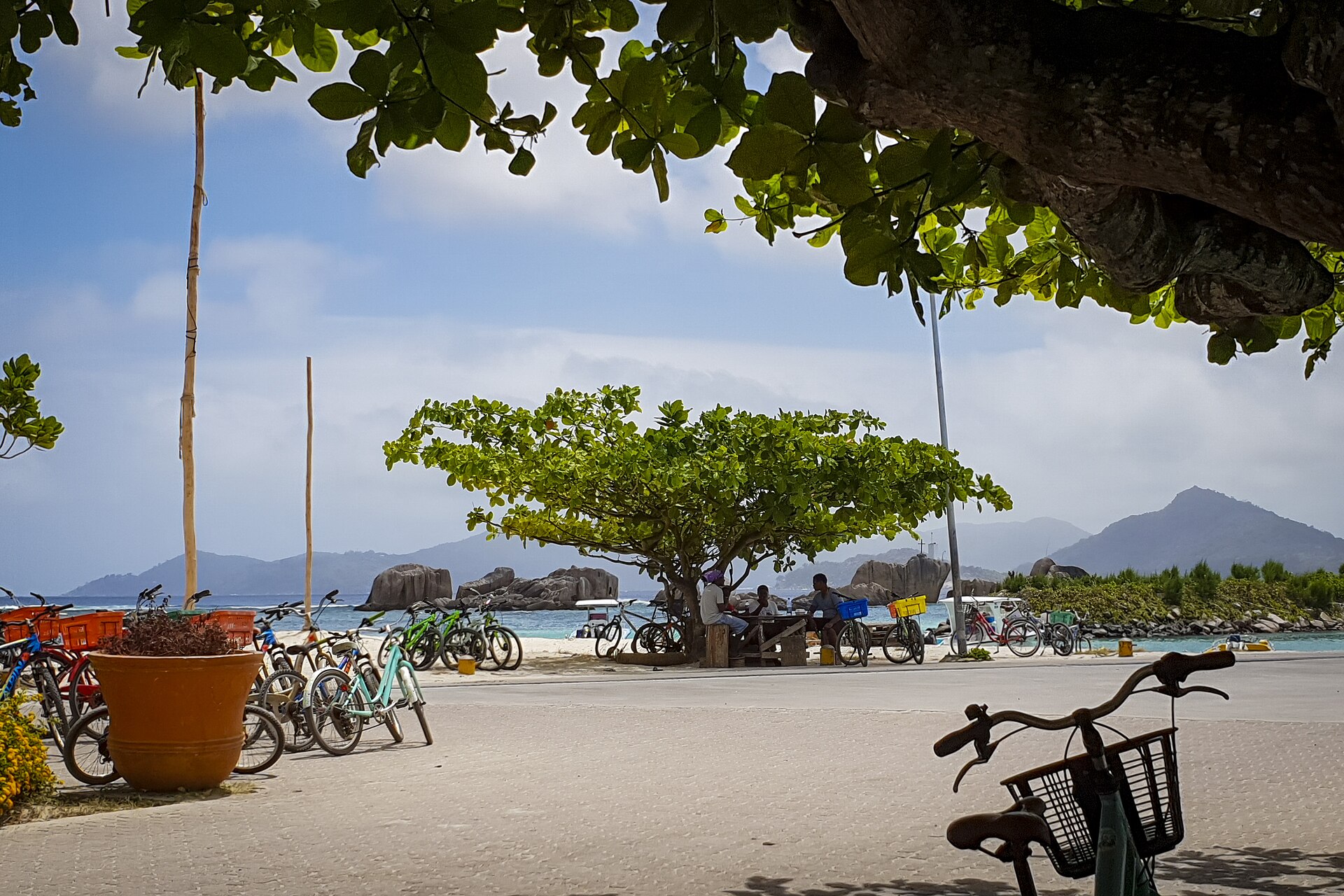
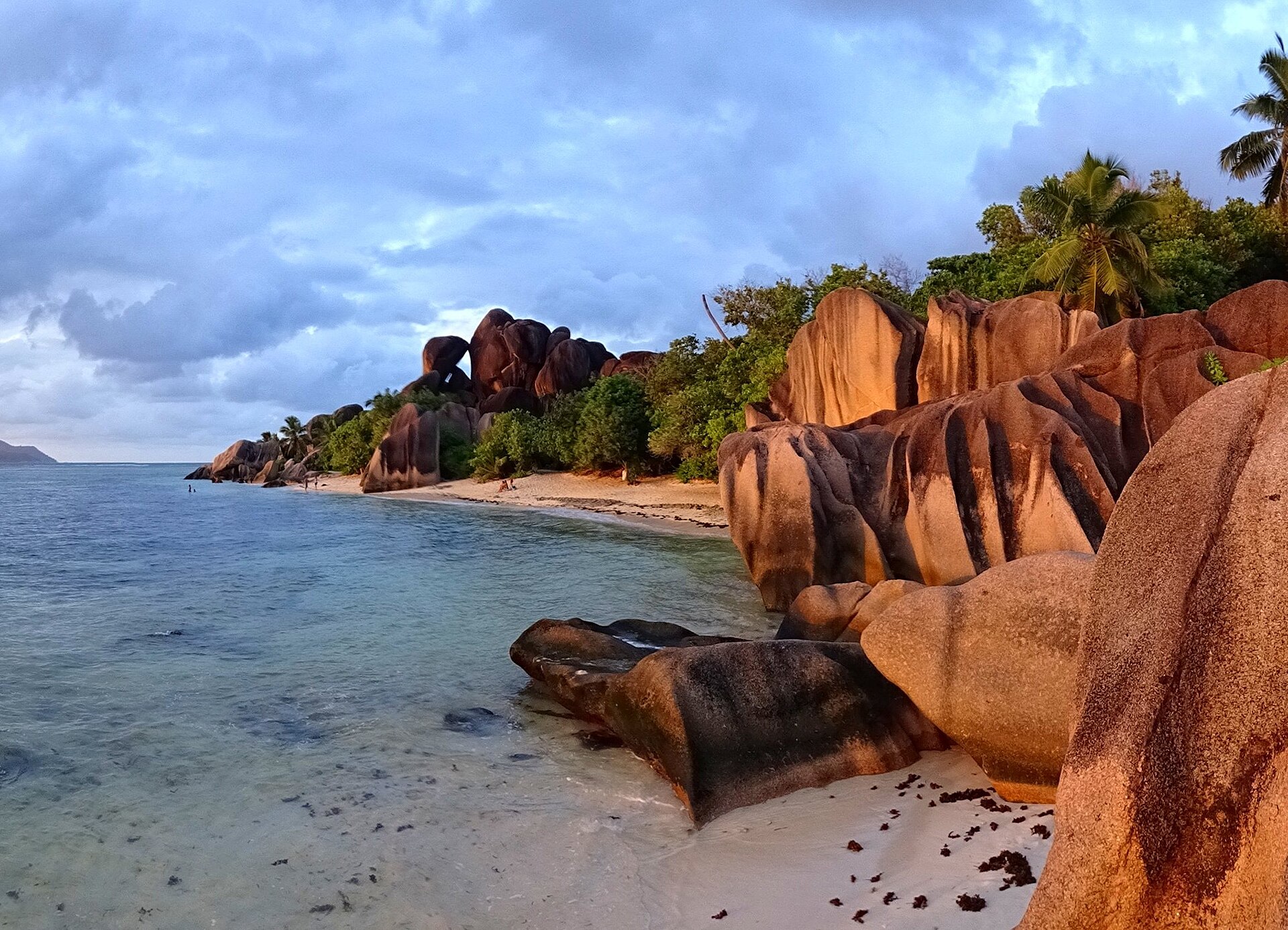
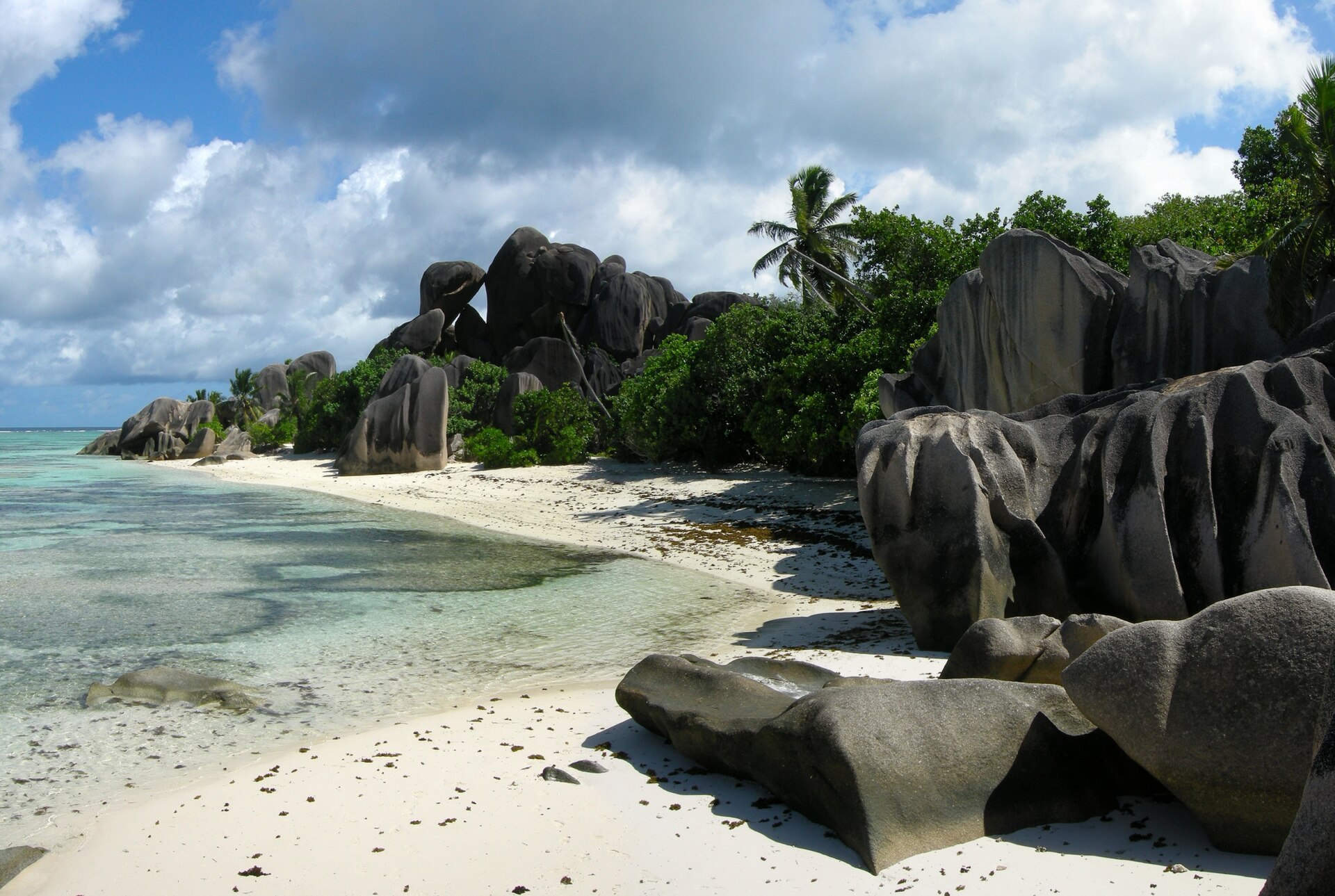
La Digue is an island where time has stood still. Bicycles remain the main mode of transport. Boats are still built by hand here, and copra is processed using traditional methods. A leisurely pace of life, vernacular architecture and the legendary beach Anse Source d'Argent make it an unmissable stop on any route.
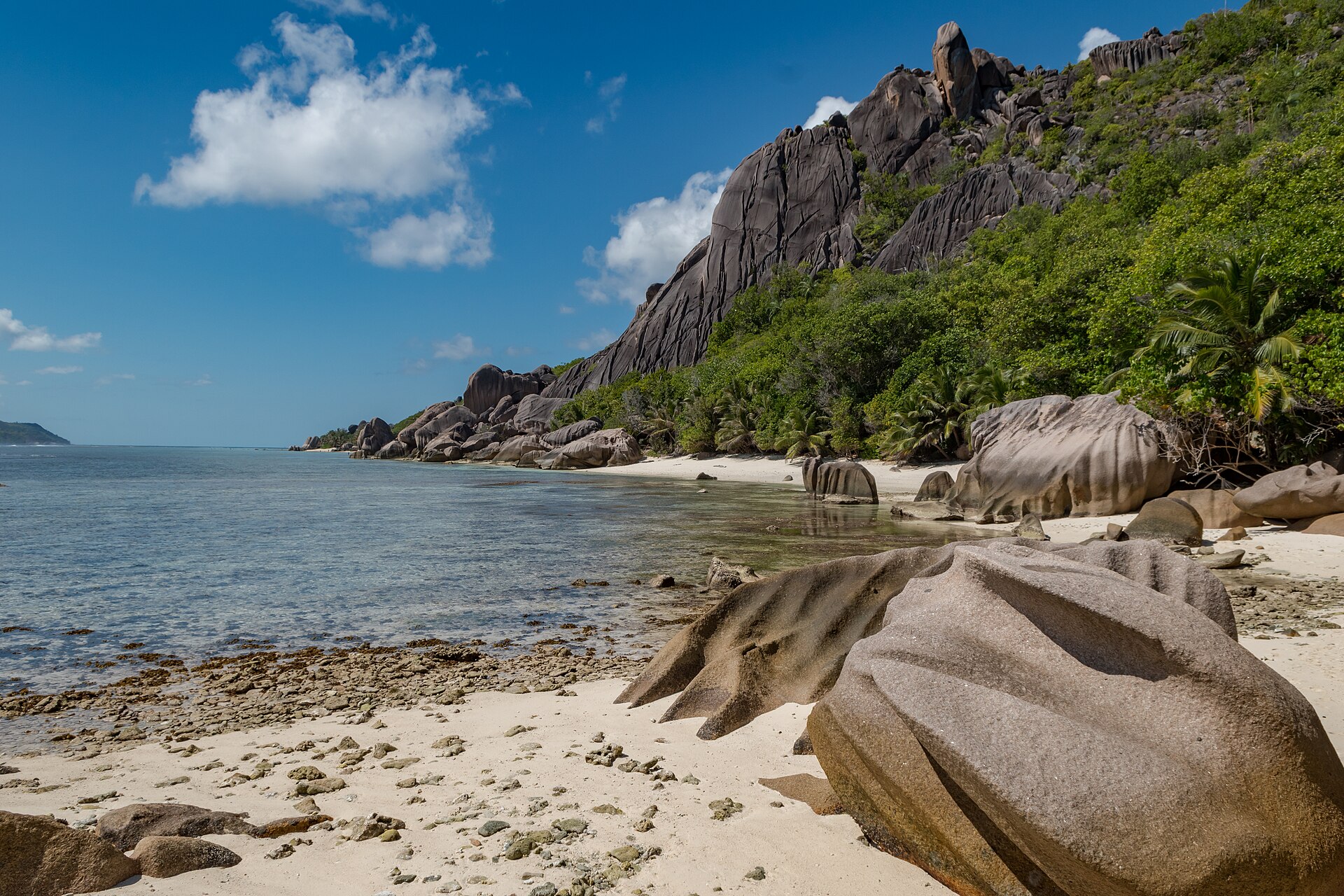
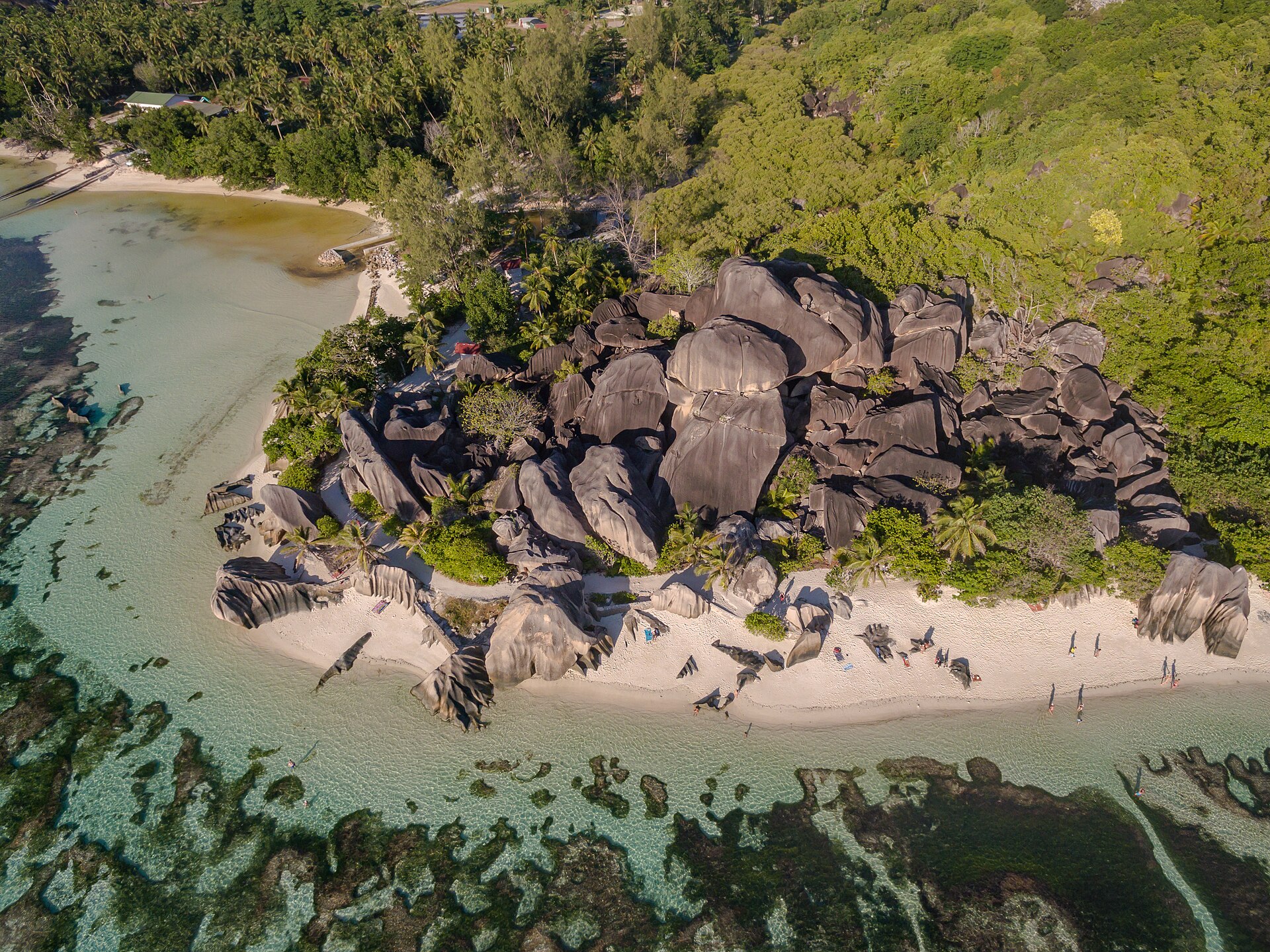
The granite boulder of the L'Union Estate is listed as a national natural monument. About an acre in area, it was formed in the Precambrian — some 750 million years ago — as magma cooled slowly inside the earth's crust, producing unusually large crystals. Millennia of the elements have given it its present sculpted form.
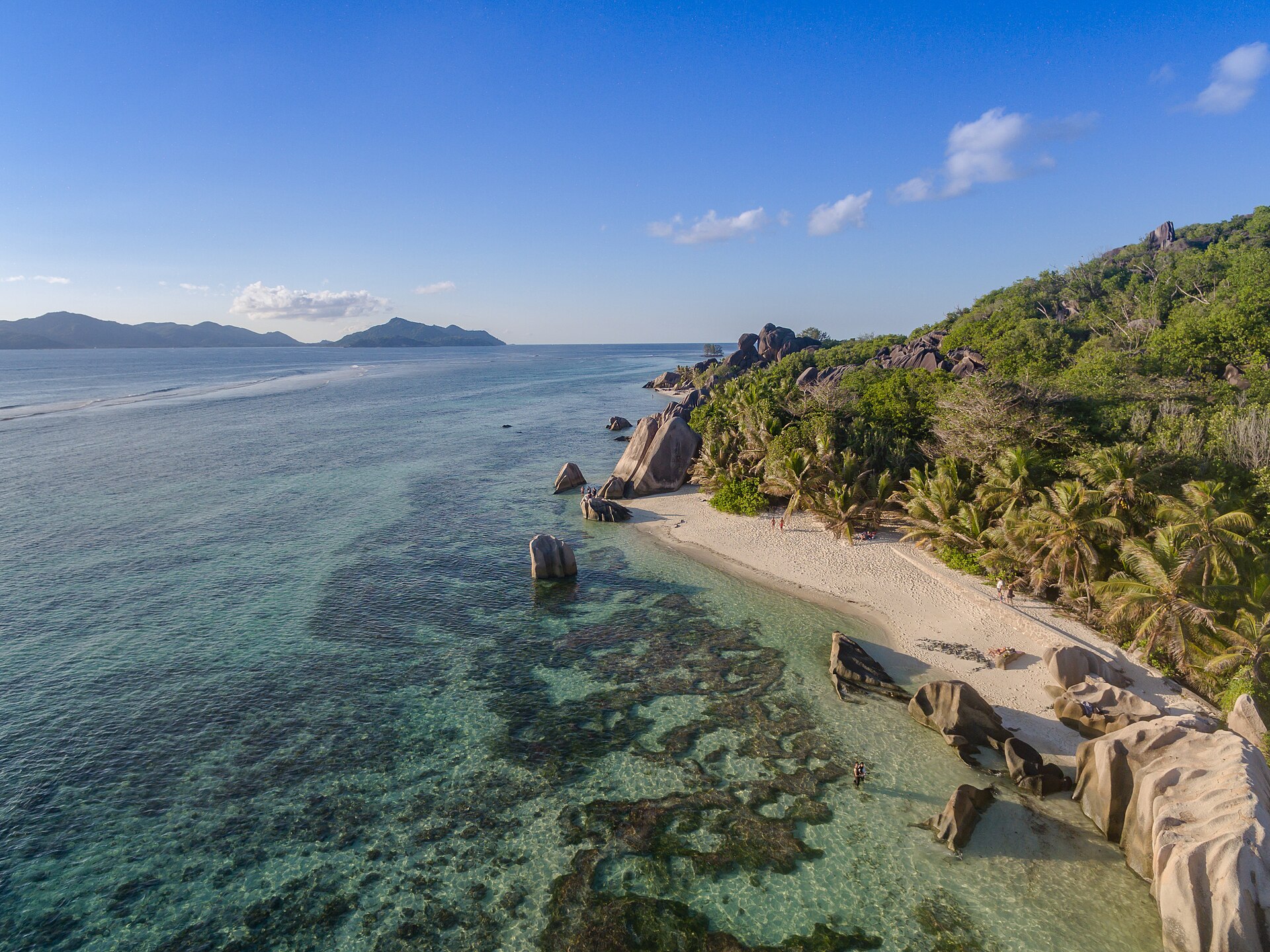
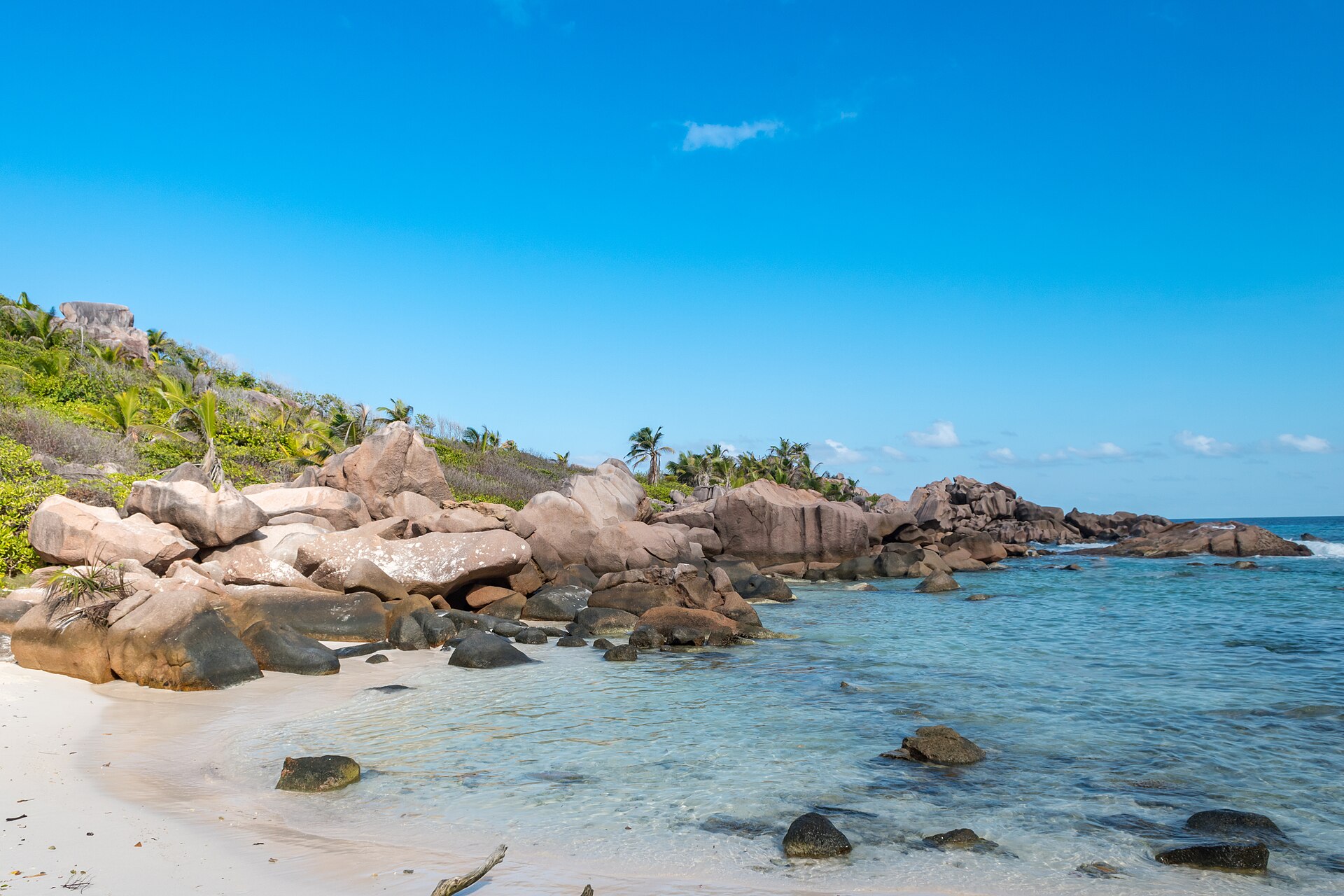
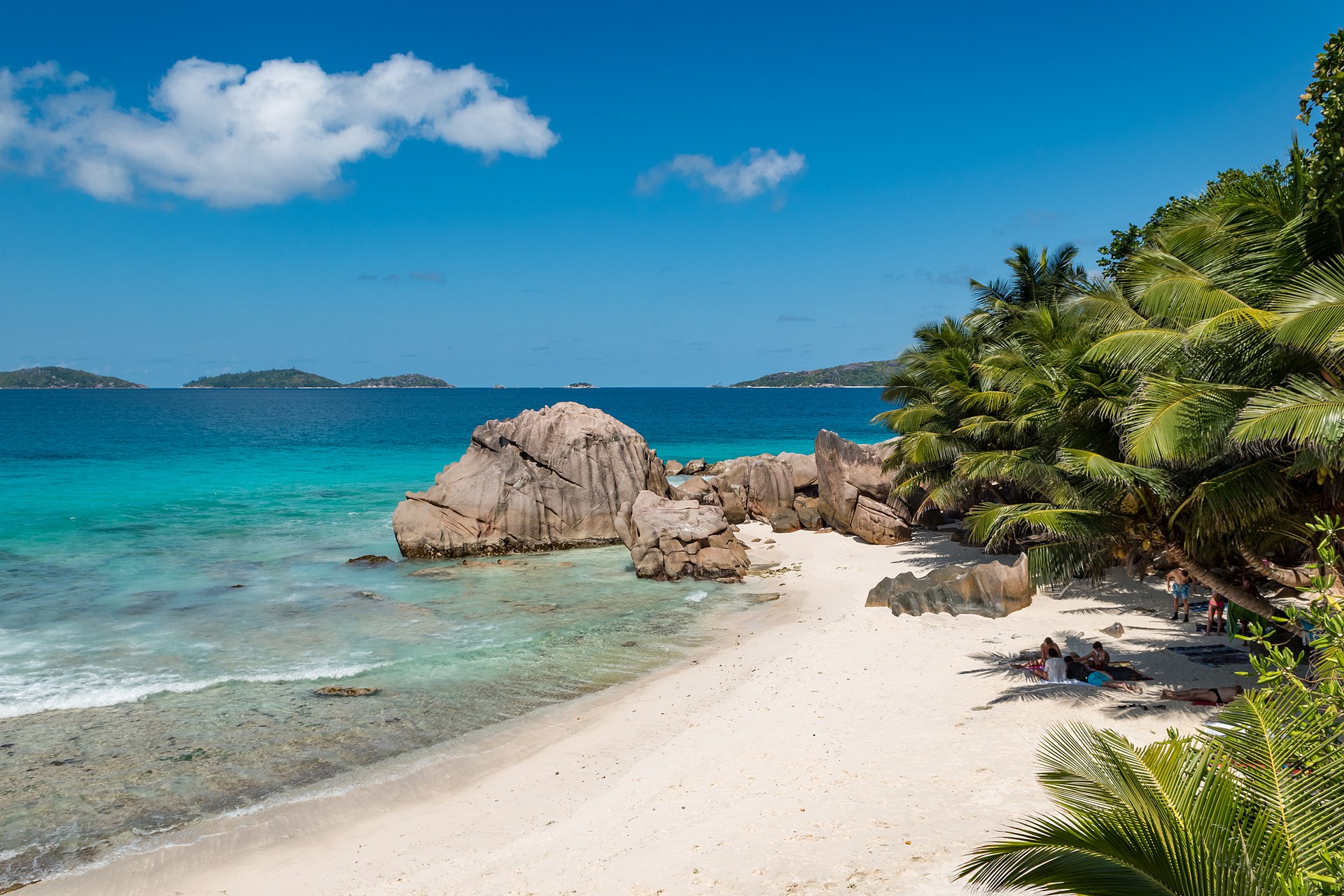
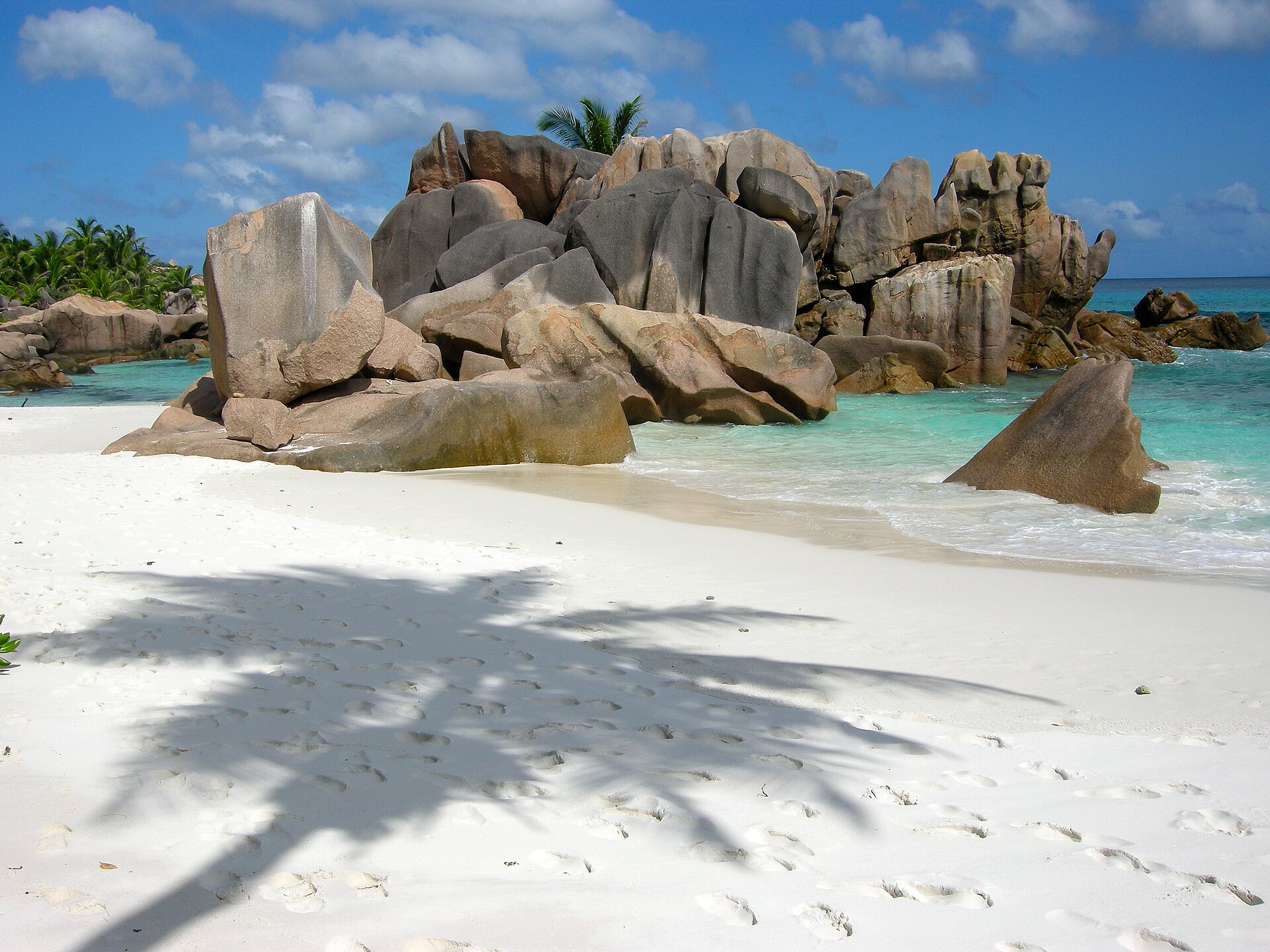
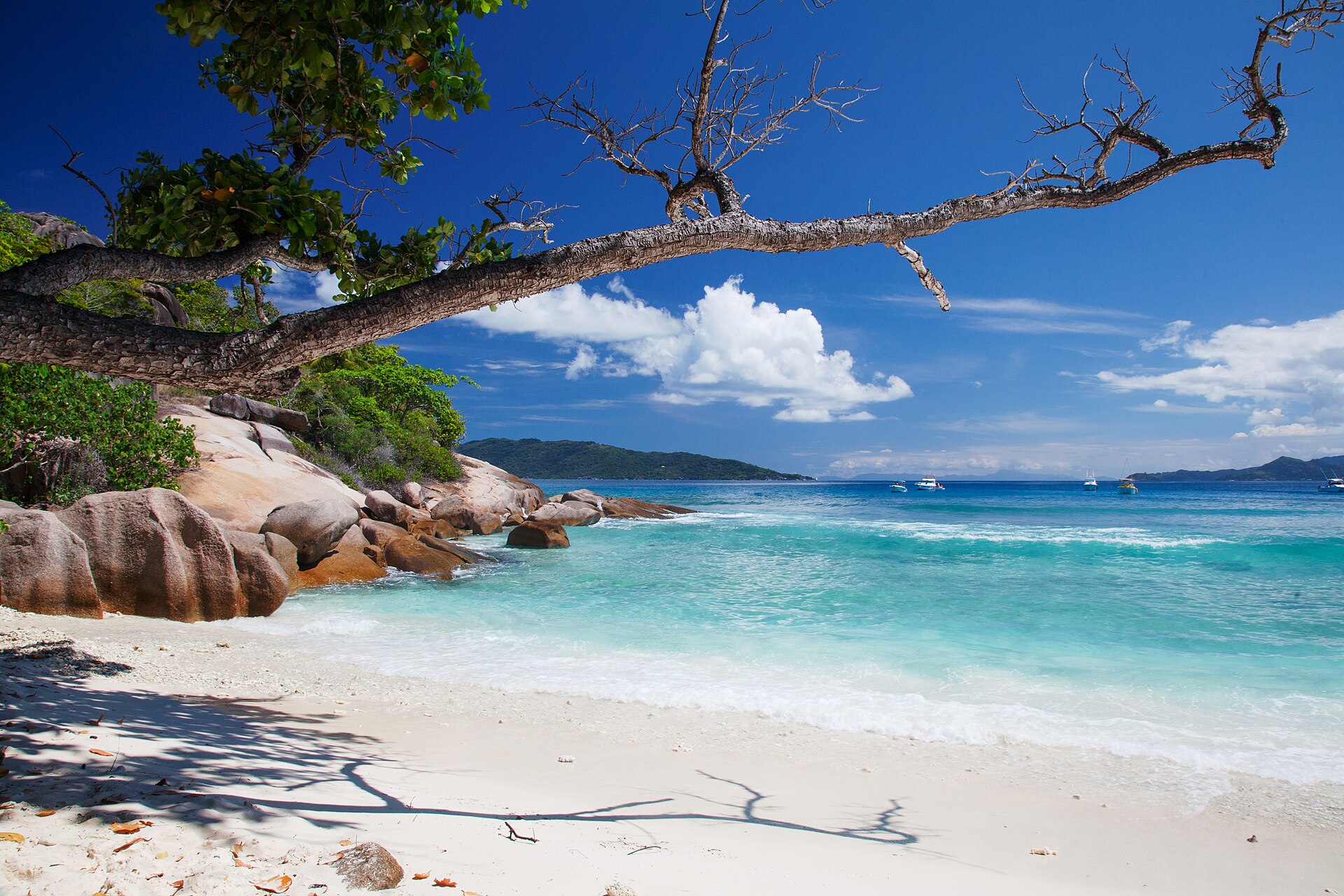
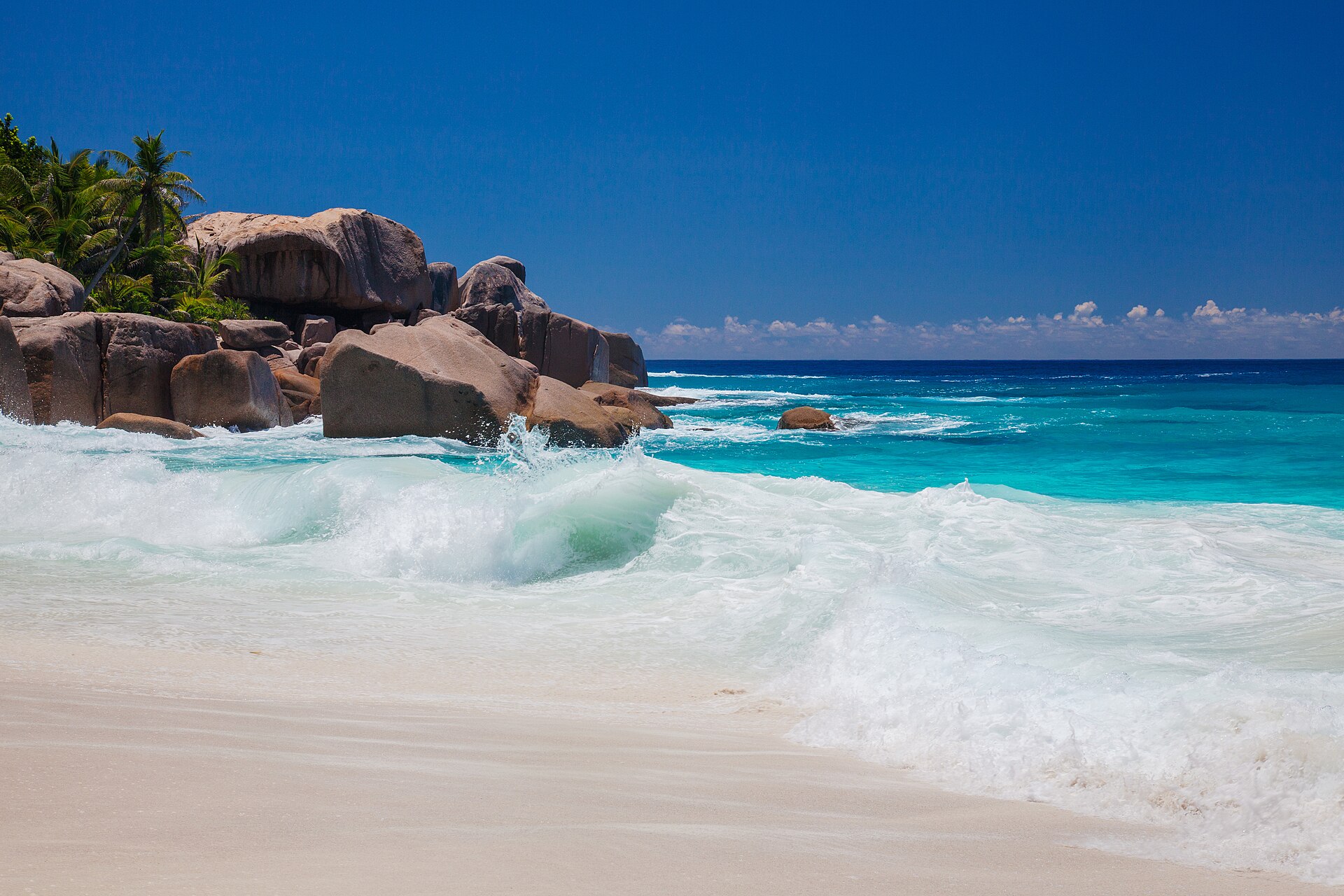
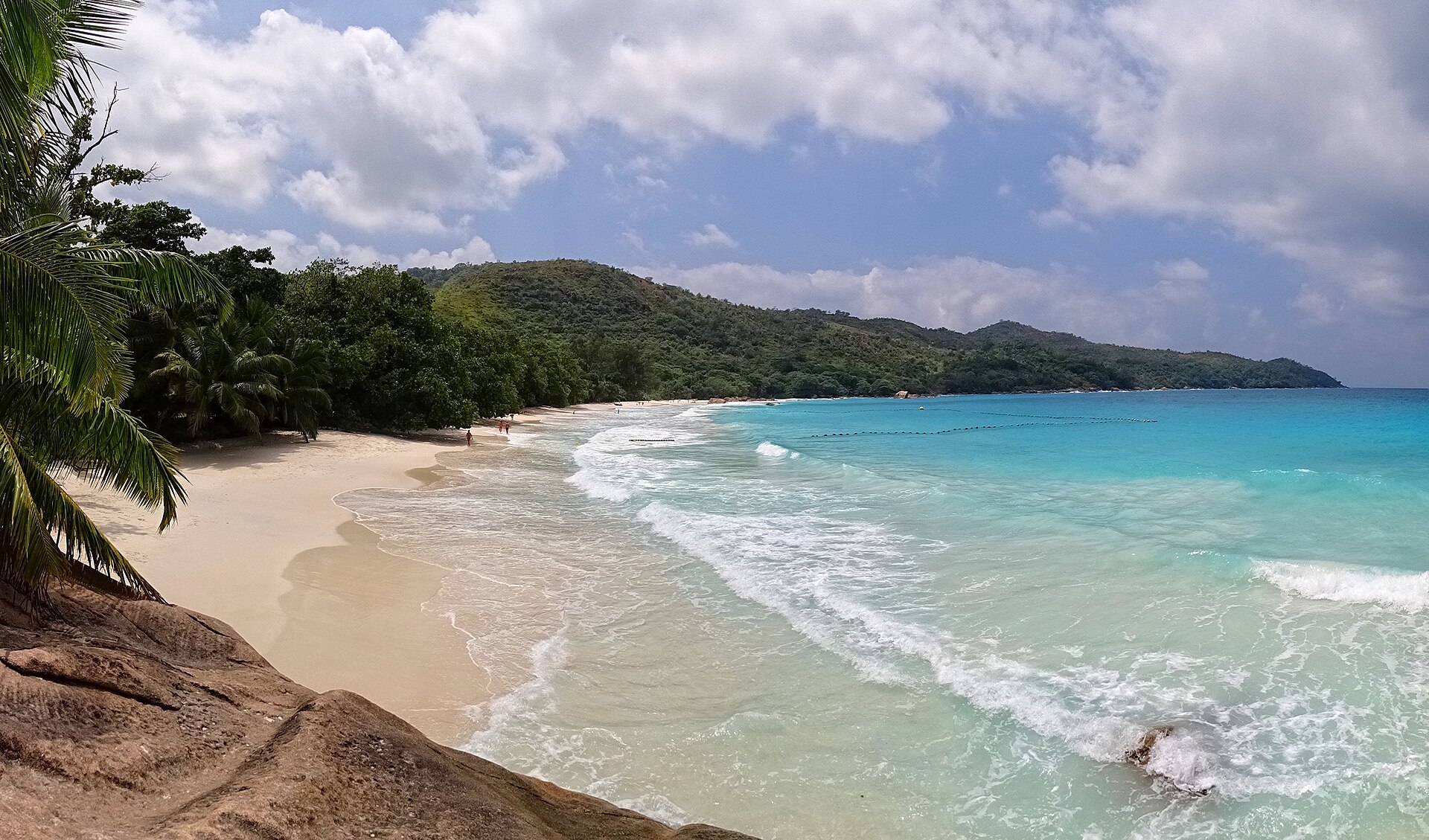
Anse Source d'Argent is considered the most photographed beach in the world. White sand, transparent turquoise water and giant granite boulders shaped by time and nature — this is where photographers and filmmakers have always come. The sea is sheltered by a reef: shallow, calm, with only sand underfoot — safe for children. Enter via the L'Union Estate. Bicycle hire and horse rides along the shore are also available.
La Digue → Île Cocos (40 min) → Félicité (10 min) → La Digue (40 min)
~10 milesSnorkelingDivingMarine Park
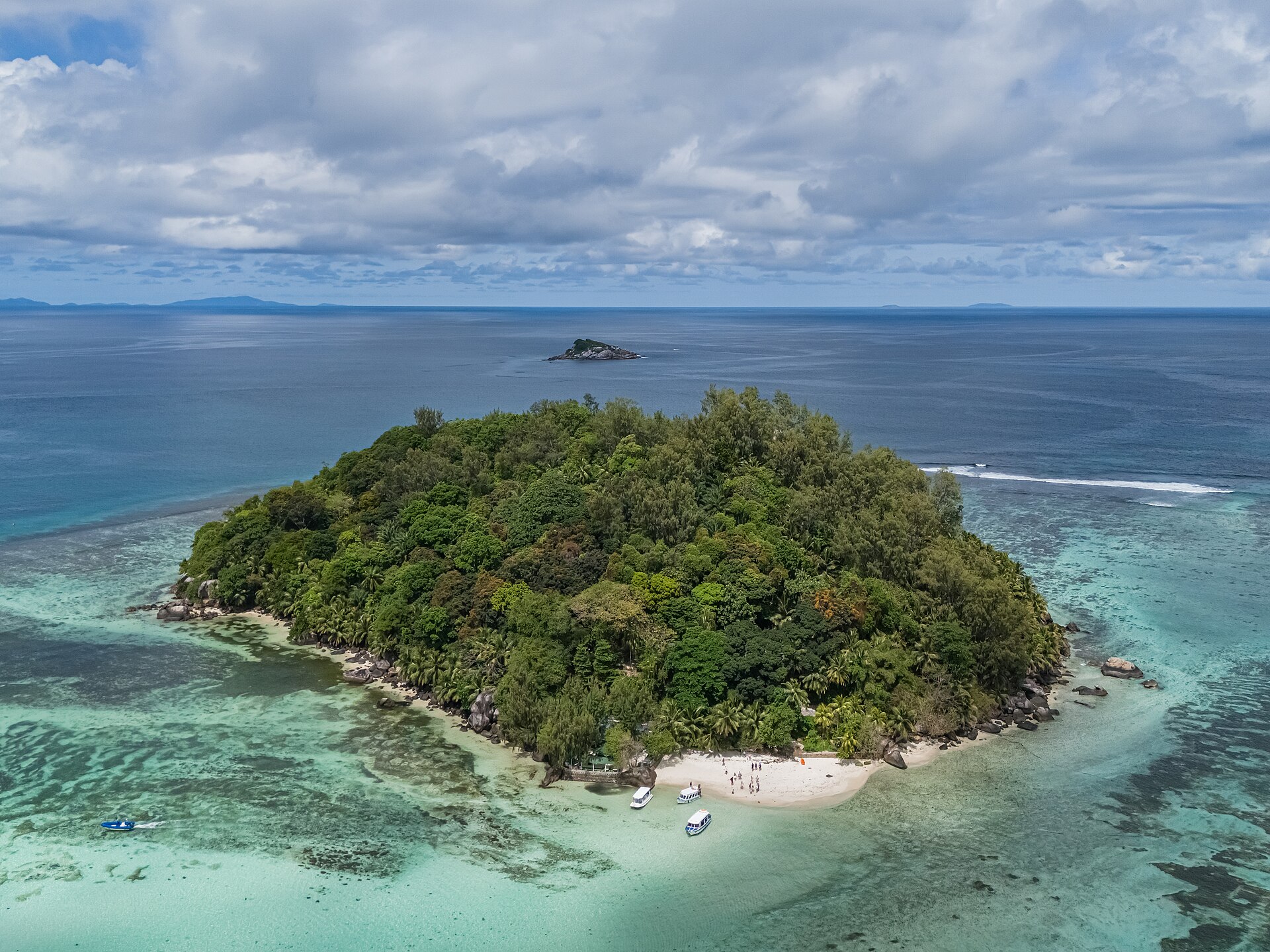
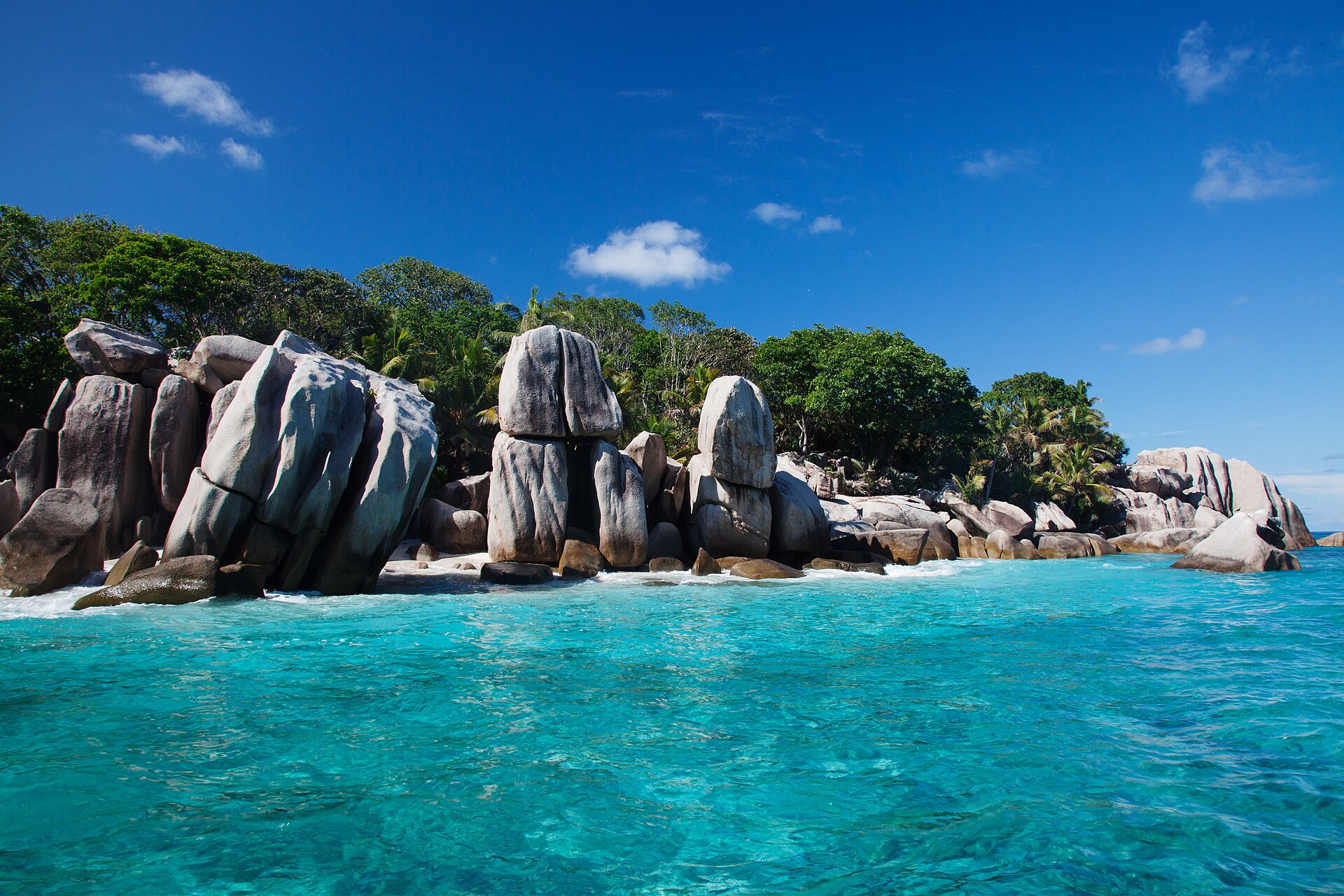
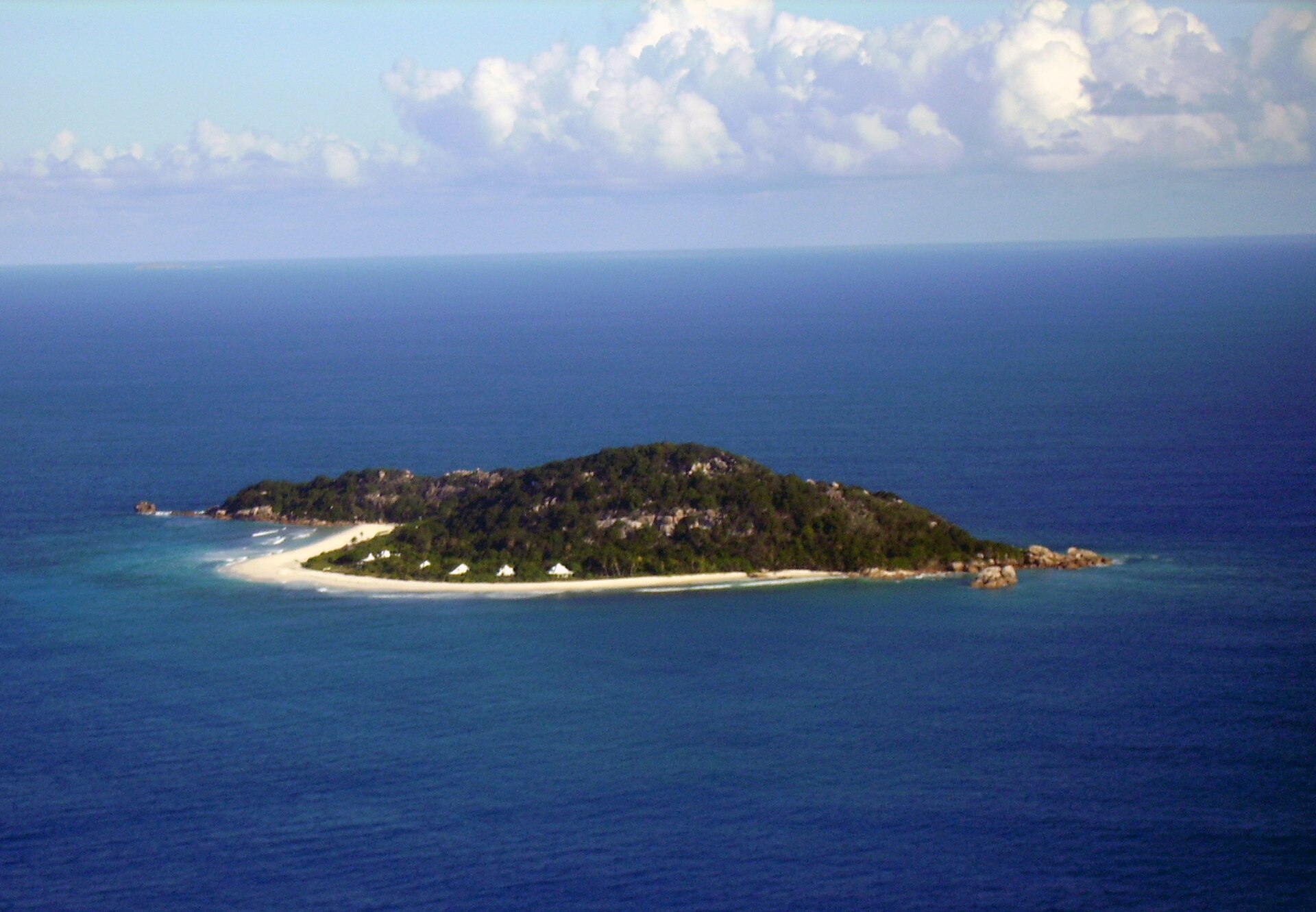
Île Cocos lies 7 km north of La Digue, next to Félicité and the Sisters. A marine reserve since 1996: one of the finest snorkeling and diving spots in the archipelago, a popular day-trip destination from Praslin and La Digue. Three small islets in turquoise shallows surrounded by coral reefs — the images that make people dream of the Seychelles.
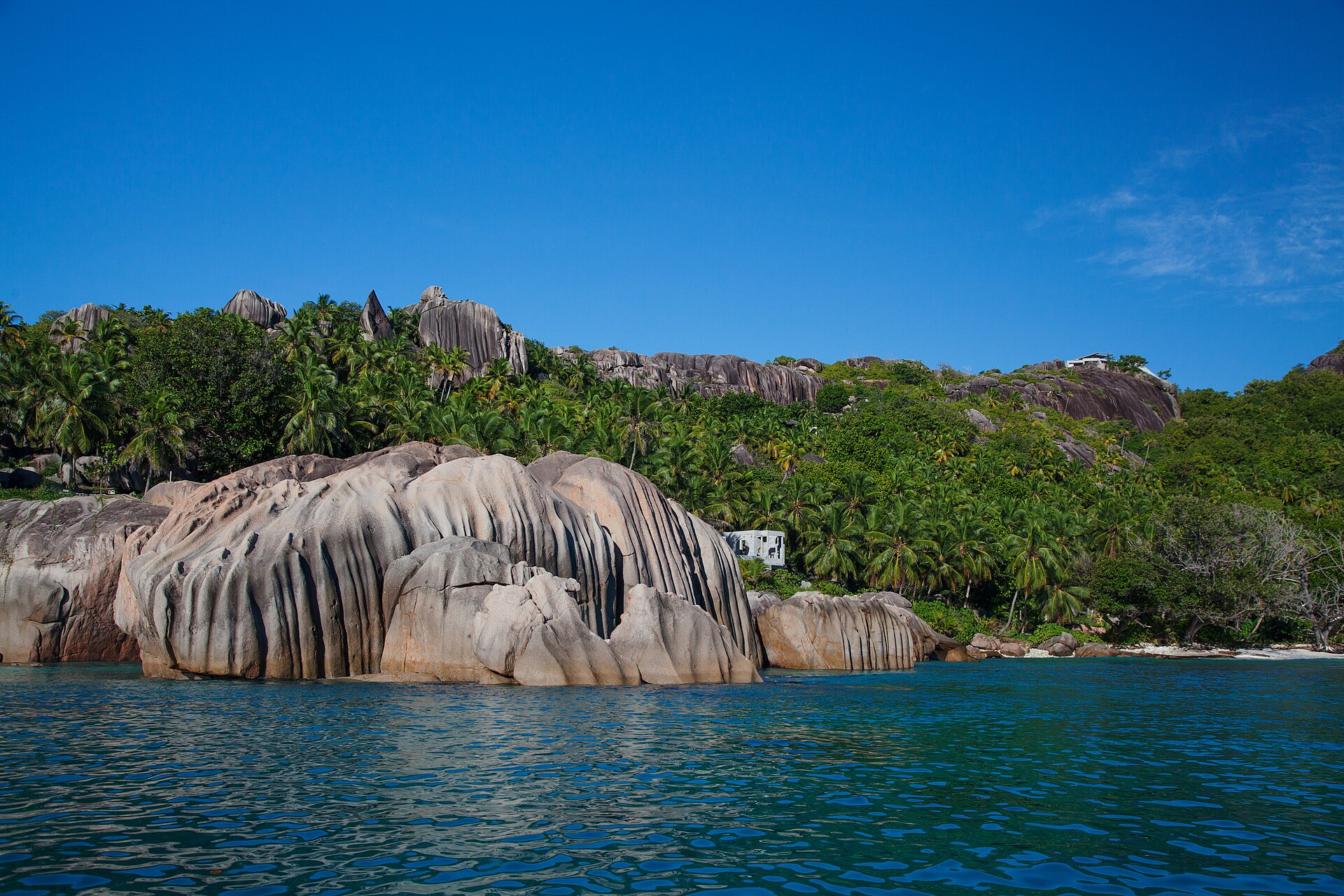
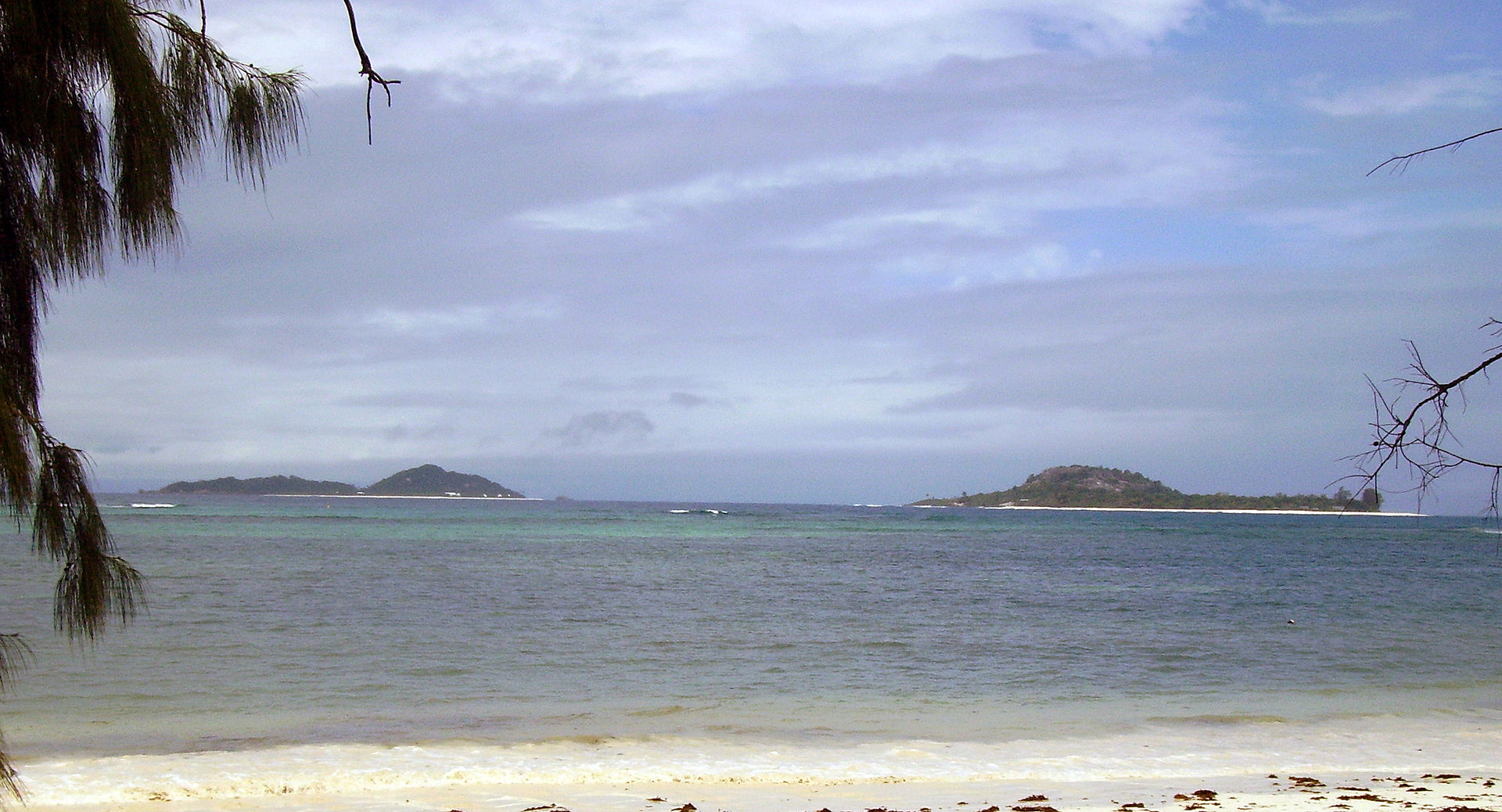
Félicité, 4 km from La Digue — a scenic granite island with steep slopes. Until the 1970s — a coconut plantation with a population of around 50. In the late 19th century, the Sultan of Perak lived here in exile — one of the most colourful exiles in Seychellois history. Today a third of the island is the Six Senses Zil Pasyon resort — 30 villas and spa.
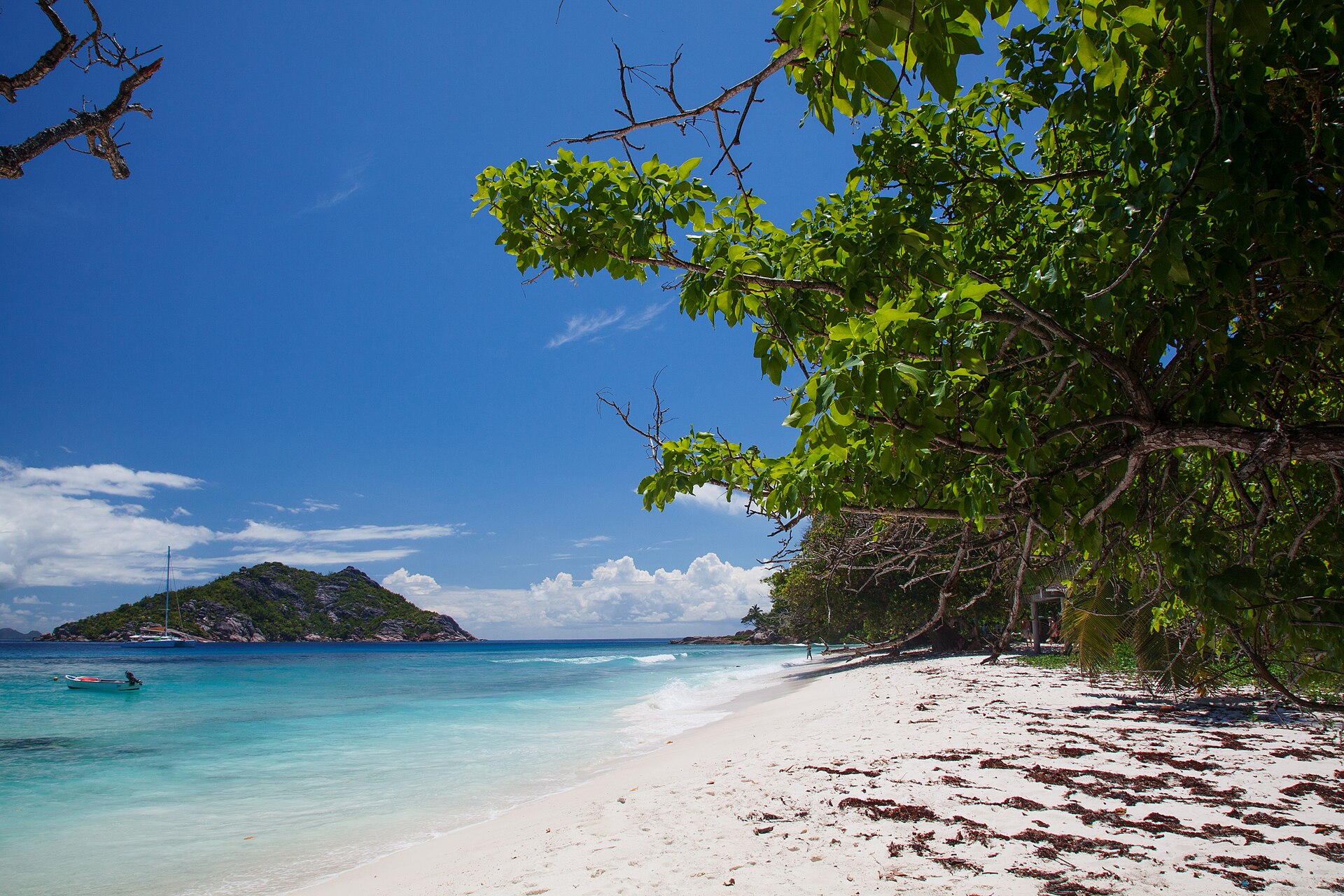
After sailing round Félicité and Marianne — night stop at Anse Cocos, a small cove on the east coast of La Digue accessible only on foot or by water. Or return to La Passe.
La Digue → Grande Soeur (1 h) → Petite Soeur (5 min) → Curieuse (1 h)
~15 milesSnorkelingTurtlesSister Islands
Grande Soeur and Petite Soeur — the "Sister Islands", 6 km north-east of La Digue. Panoramic views, walking trails, picnics and superb snorkeling in waters teeming with marine life. Managed by Château de Feuilles hotel on Praslin.
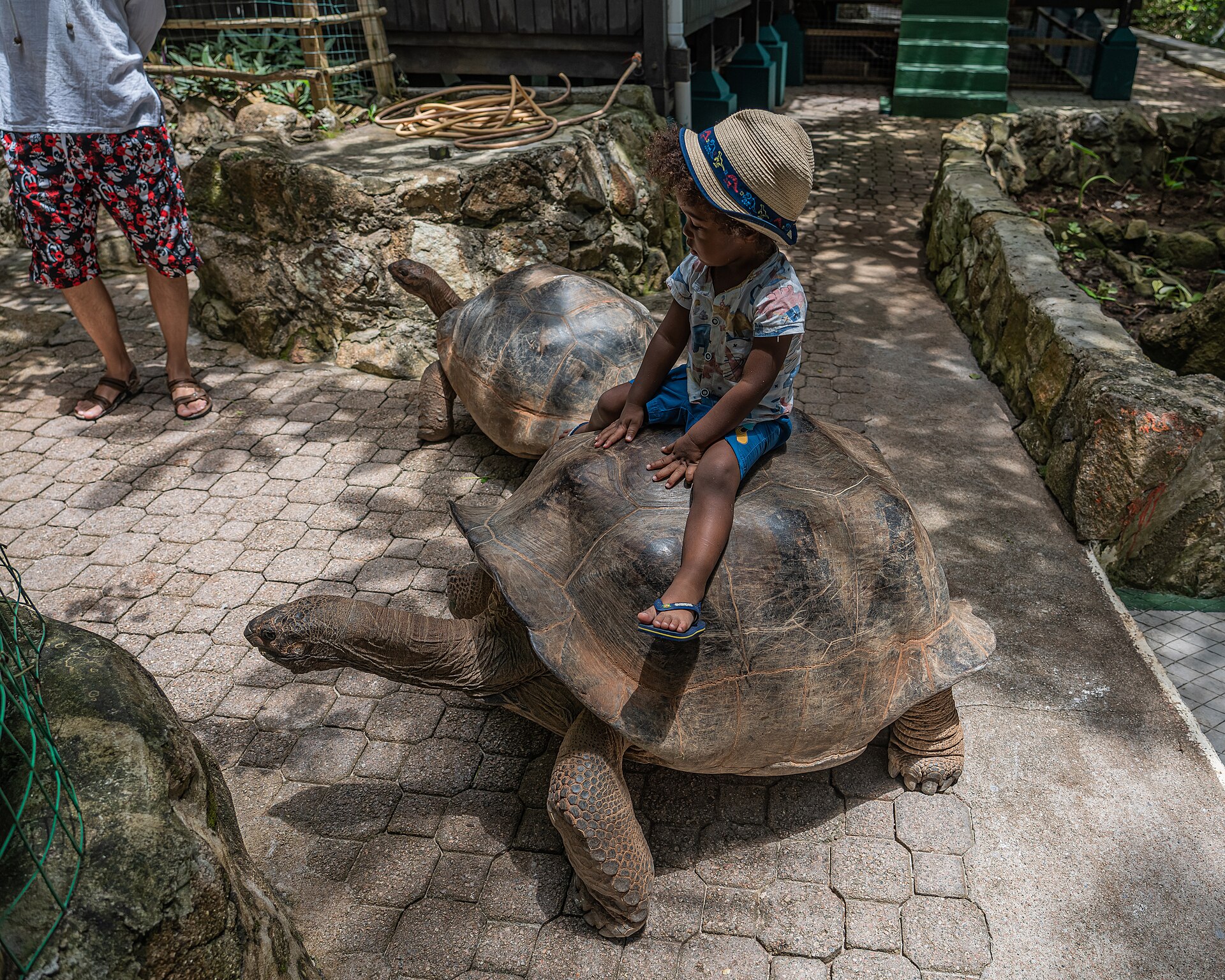
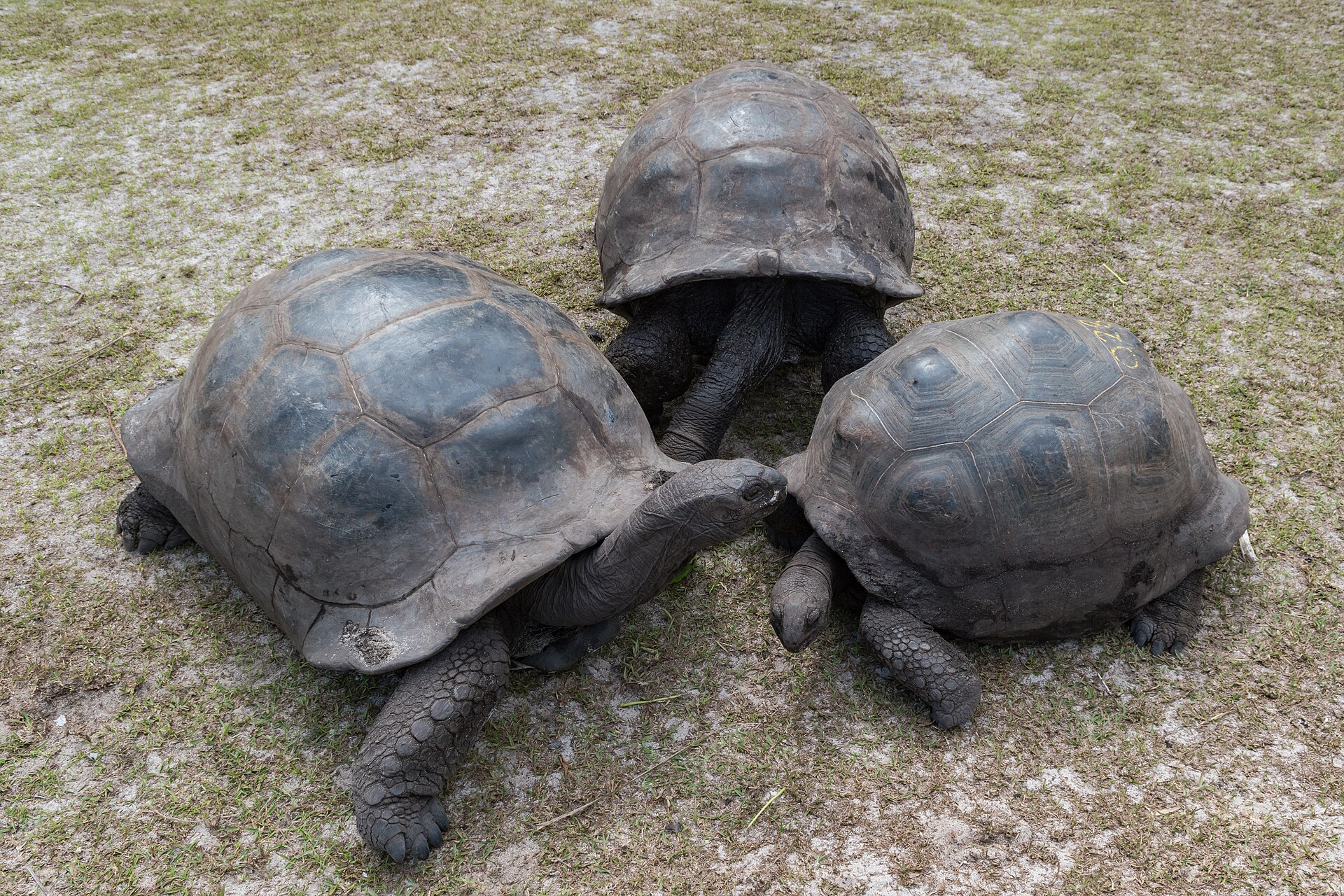
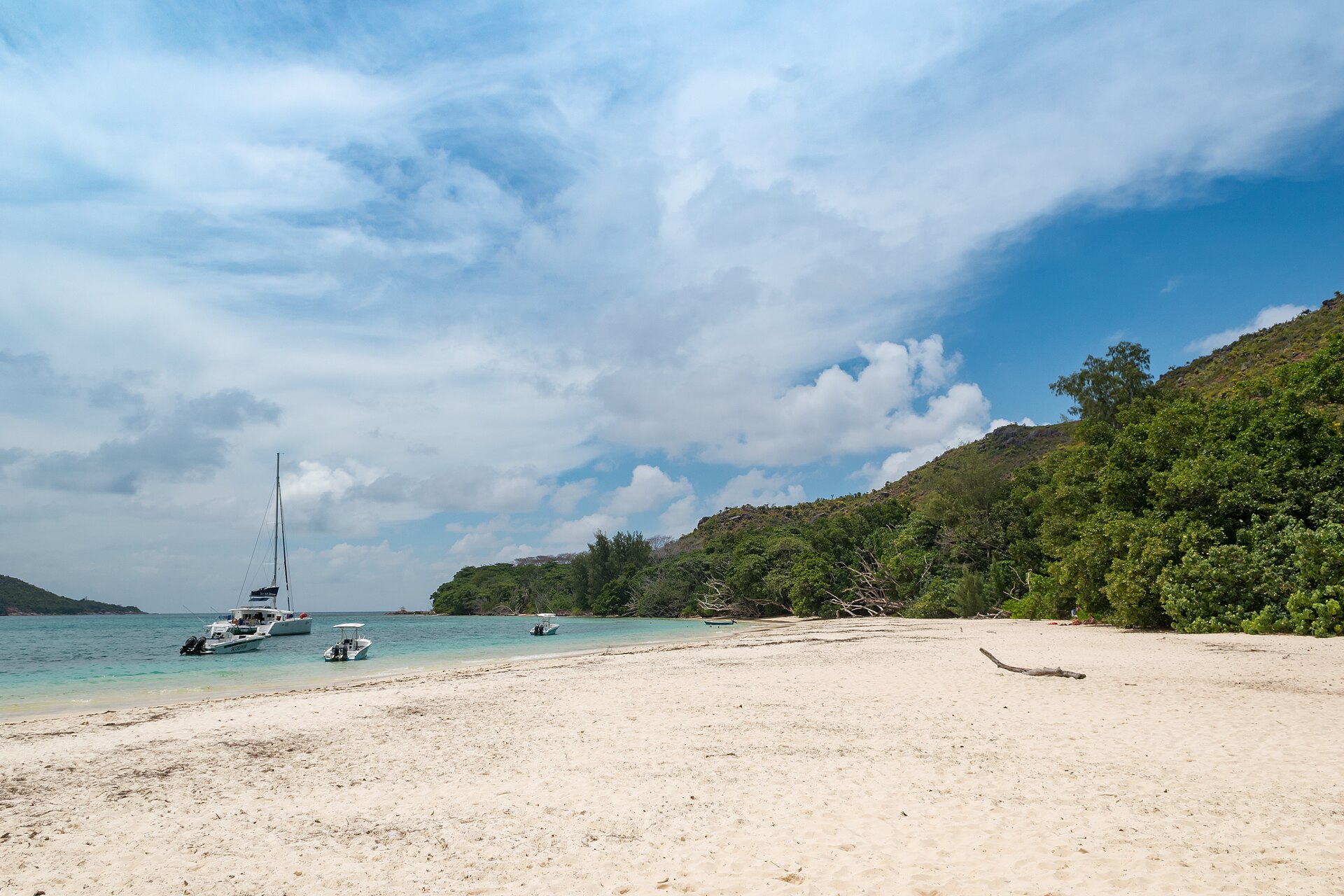
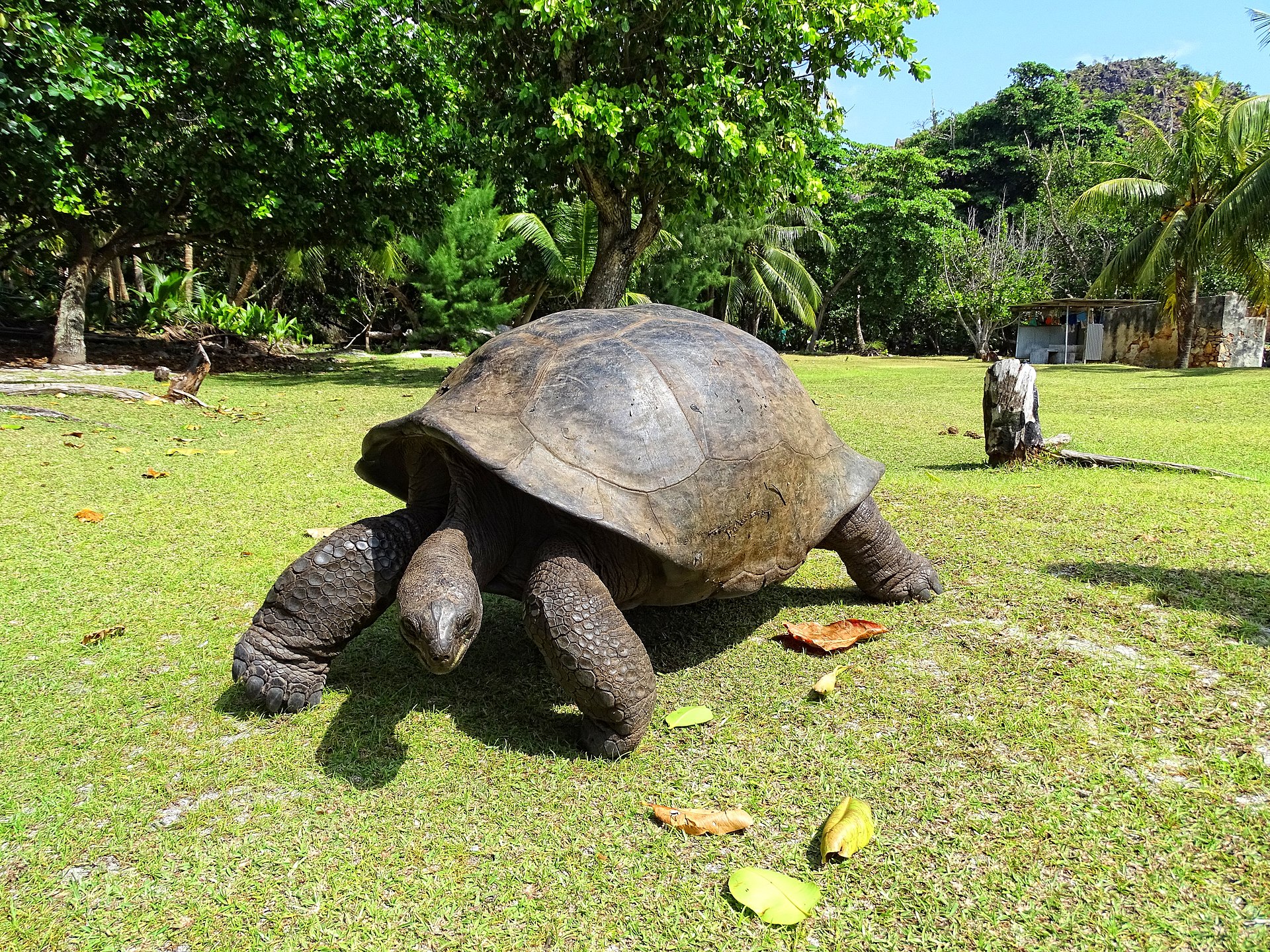
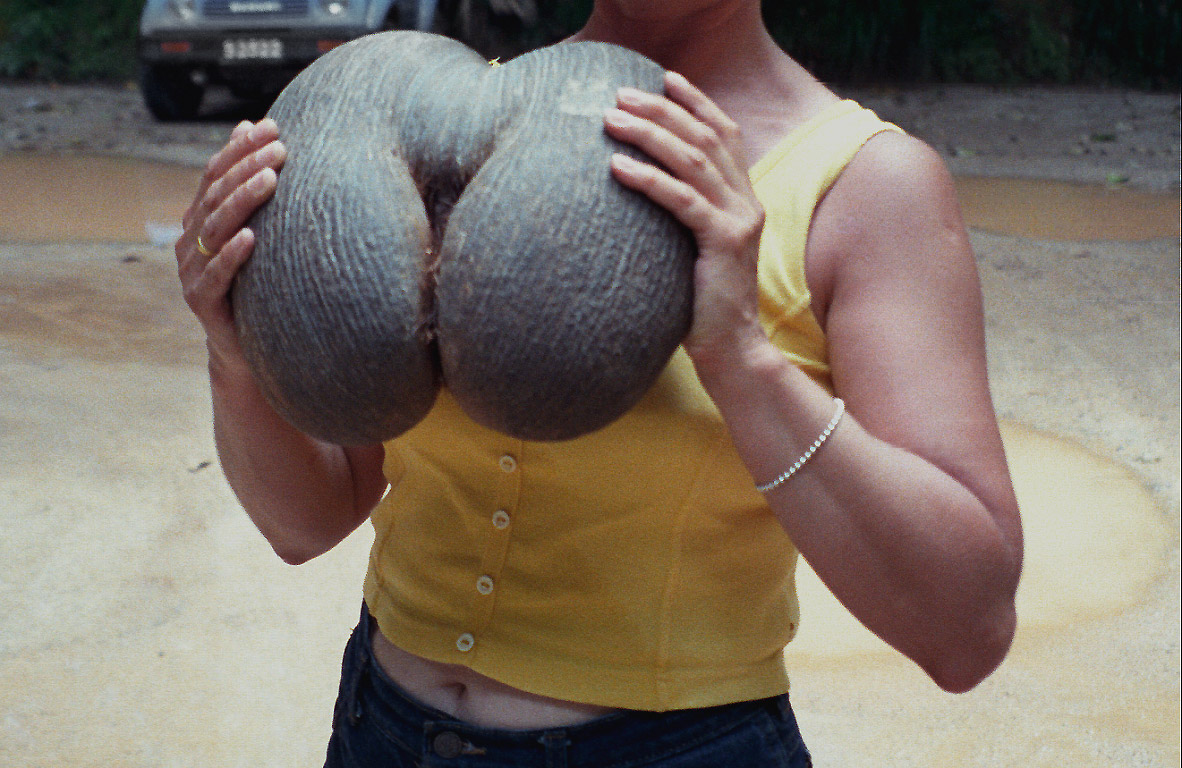
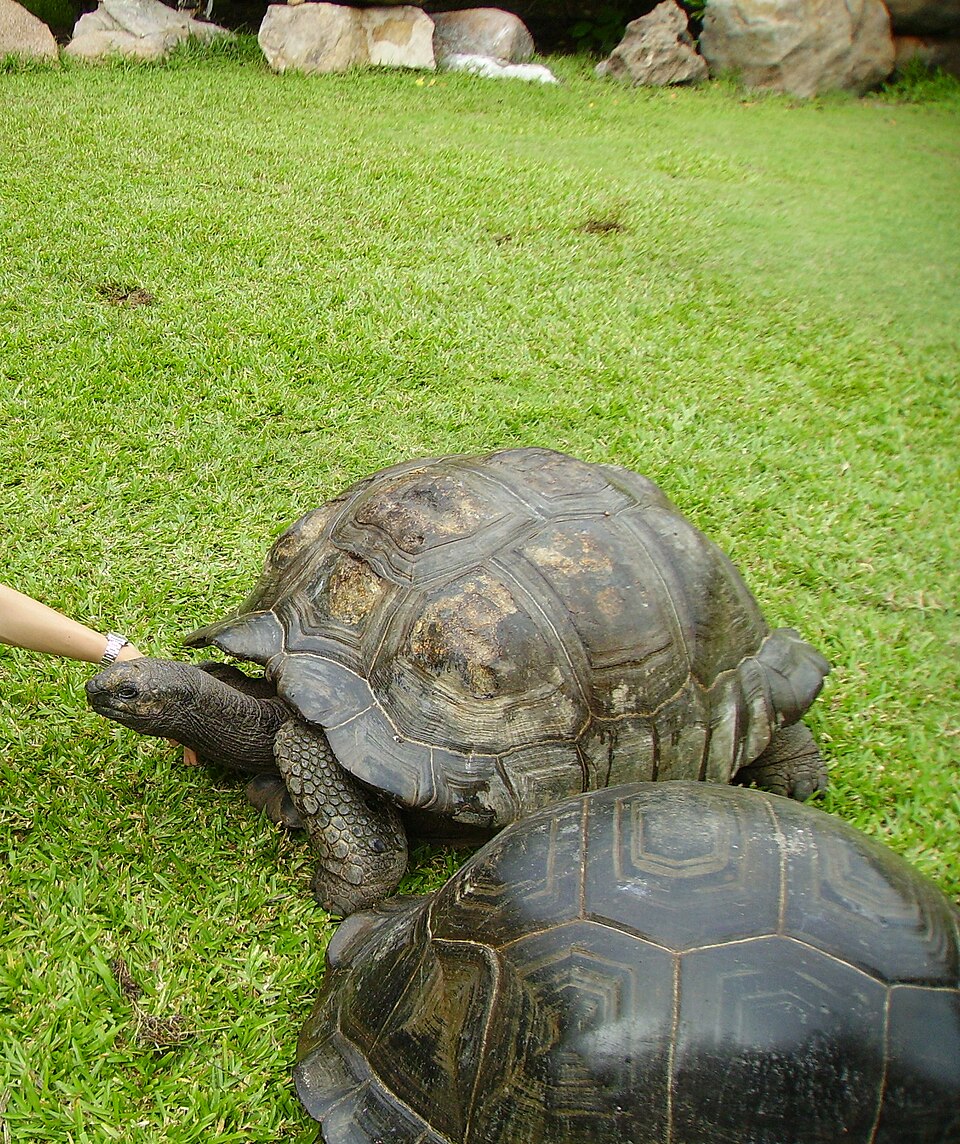
In the afternoon — passage to Curieuse. Once known as Île Rouge for its red earth, the island is named after one of Marion Dufresne's ships. It once housed a leper colony; the doctor's house from the 1870s has been converted into an eco-museum. Alongside Praslin, Curieuse is the only place where coco de mer grows wild. Giant Aldabra tortoises also live here, and hawksbill turtles nest on its beaches.
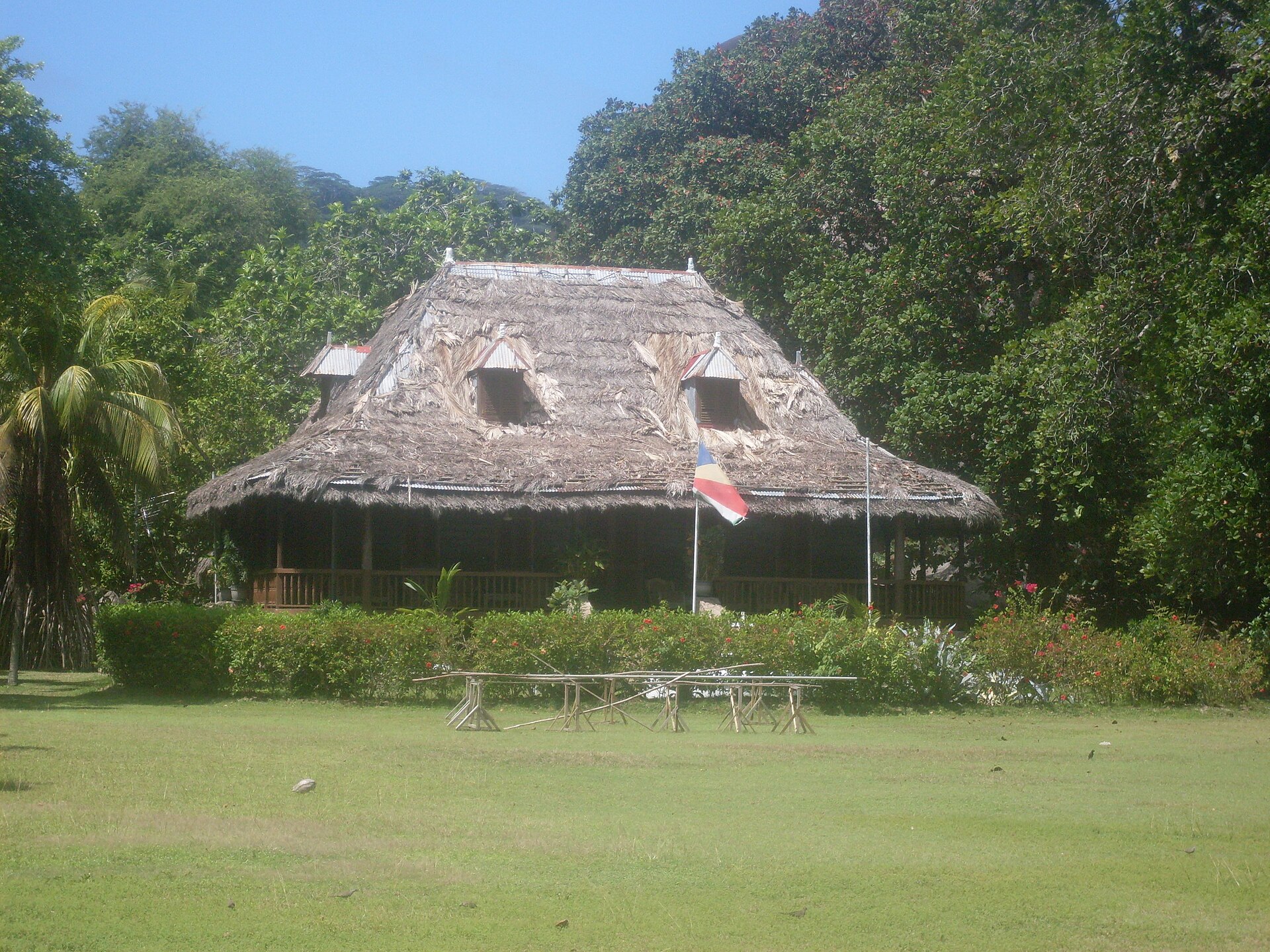
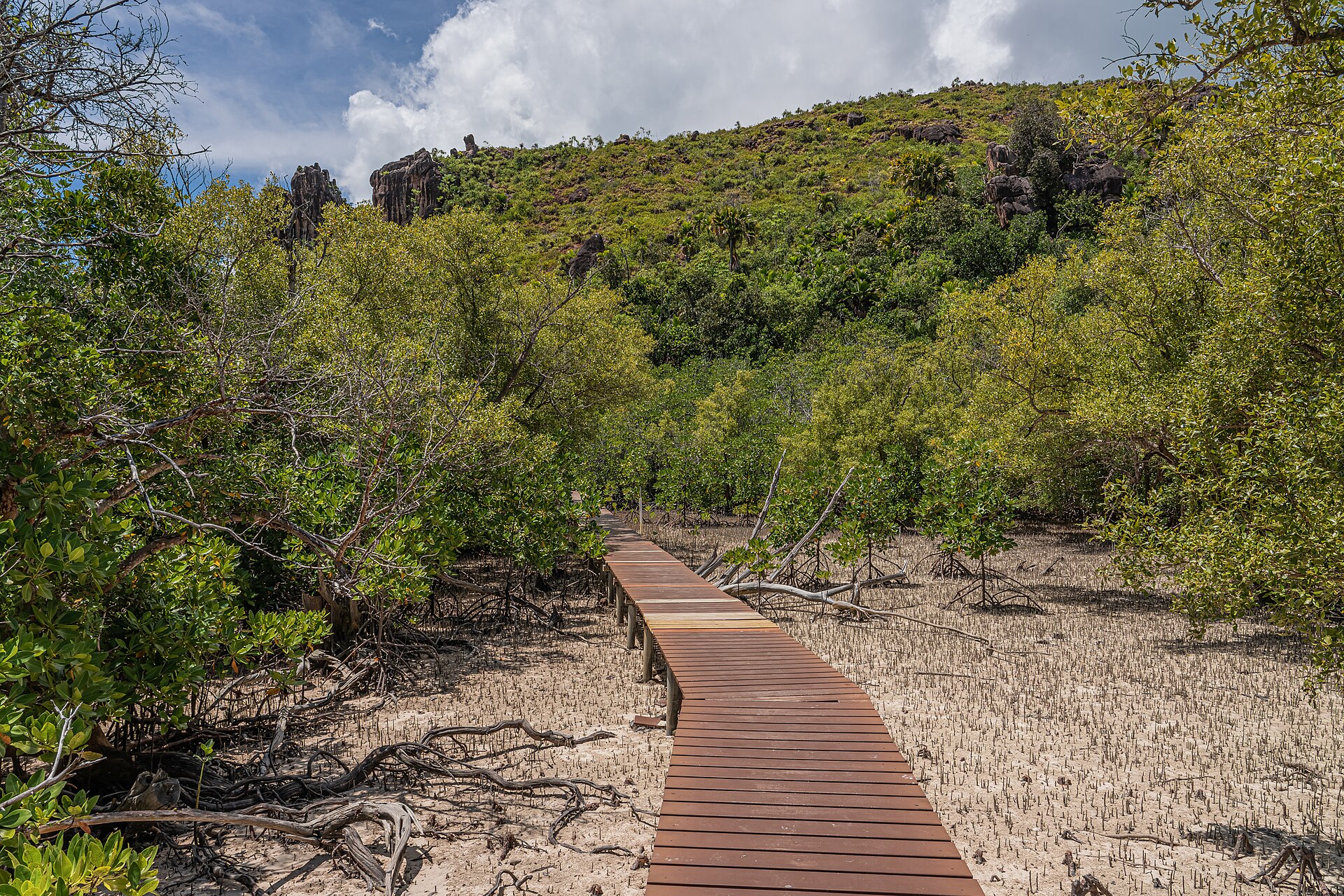
Most visitors arrive at Baie Laraie, where tortoises graze near the rangers' headquarters. The trail through the mangrove forest to Anse José is one of the most impressive on the island. The Doctor's House — a masterpiece of Creole colonial architecture, now a museum — stands nearby.
Diving at Coral Garden or Pointe Rouge — a must. Snorkeling off Île Saint-Pierre — equally unmissable. This tiny islet with its granite silhouette and coconut palms has become a symbol of the Seychelles: its image appears in countless advertising campaigns. Coco de mer once grew wild there; today Saint-Pierre is the perfect spot to end the day watching the sunset over Praslin.
Anse Volbert (Côte d'Or) — Praslin's main beach. Despite the hotels lining the golden shore, it is rarely crowded. Dazzlingly white sand and crystal-clear sea — perfect for swimming and water sports. In the inner part of the bay, around the islets of Chauve Souris and Saint-Pierre — superb snorkeling.
Baie Sainte Anne, Praslin · night stop
Photo · day 5
17
Dec, Thu
Baie Sainte Anne → Anse Lazio (2 h) → Anse La Farine (2 h)
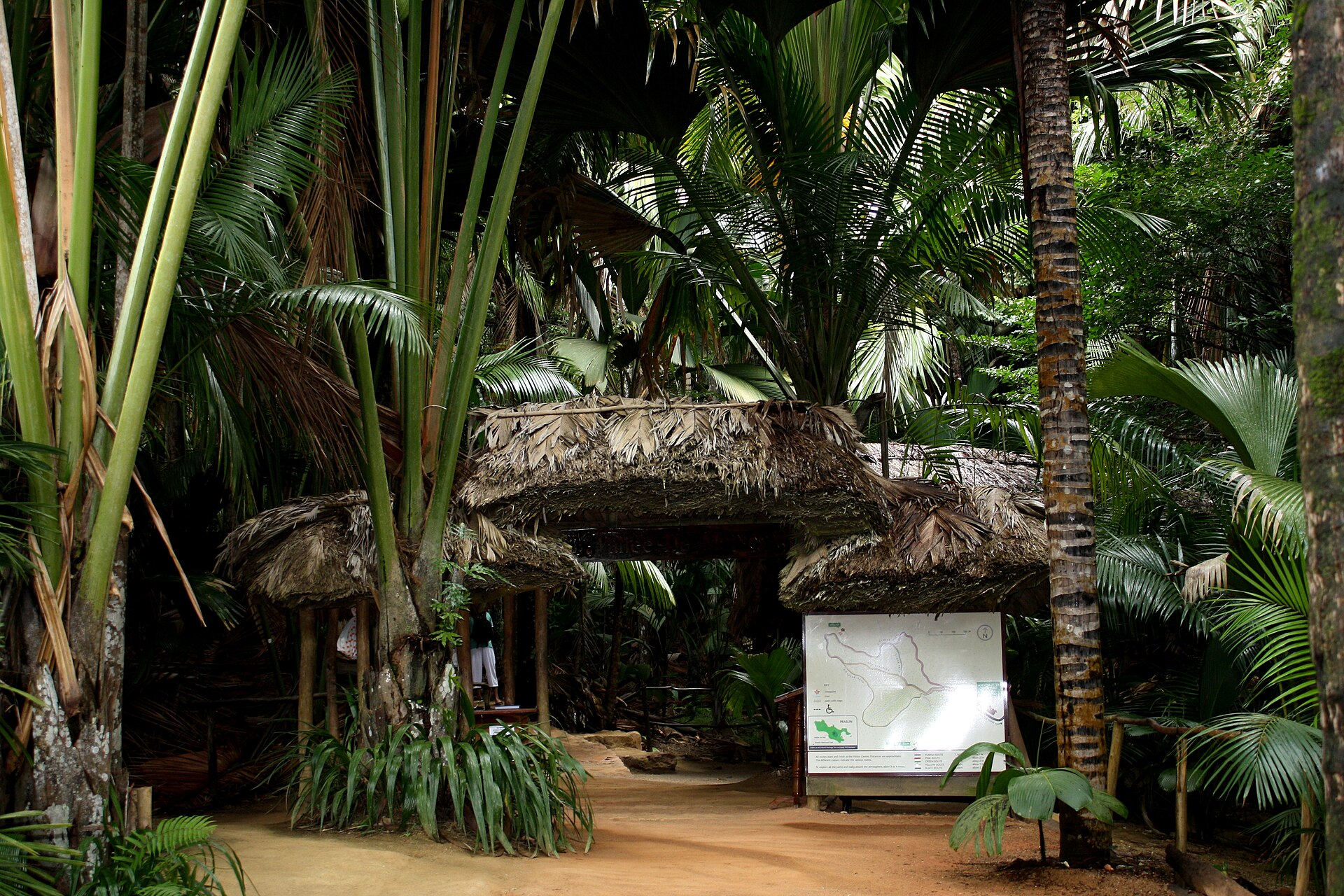
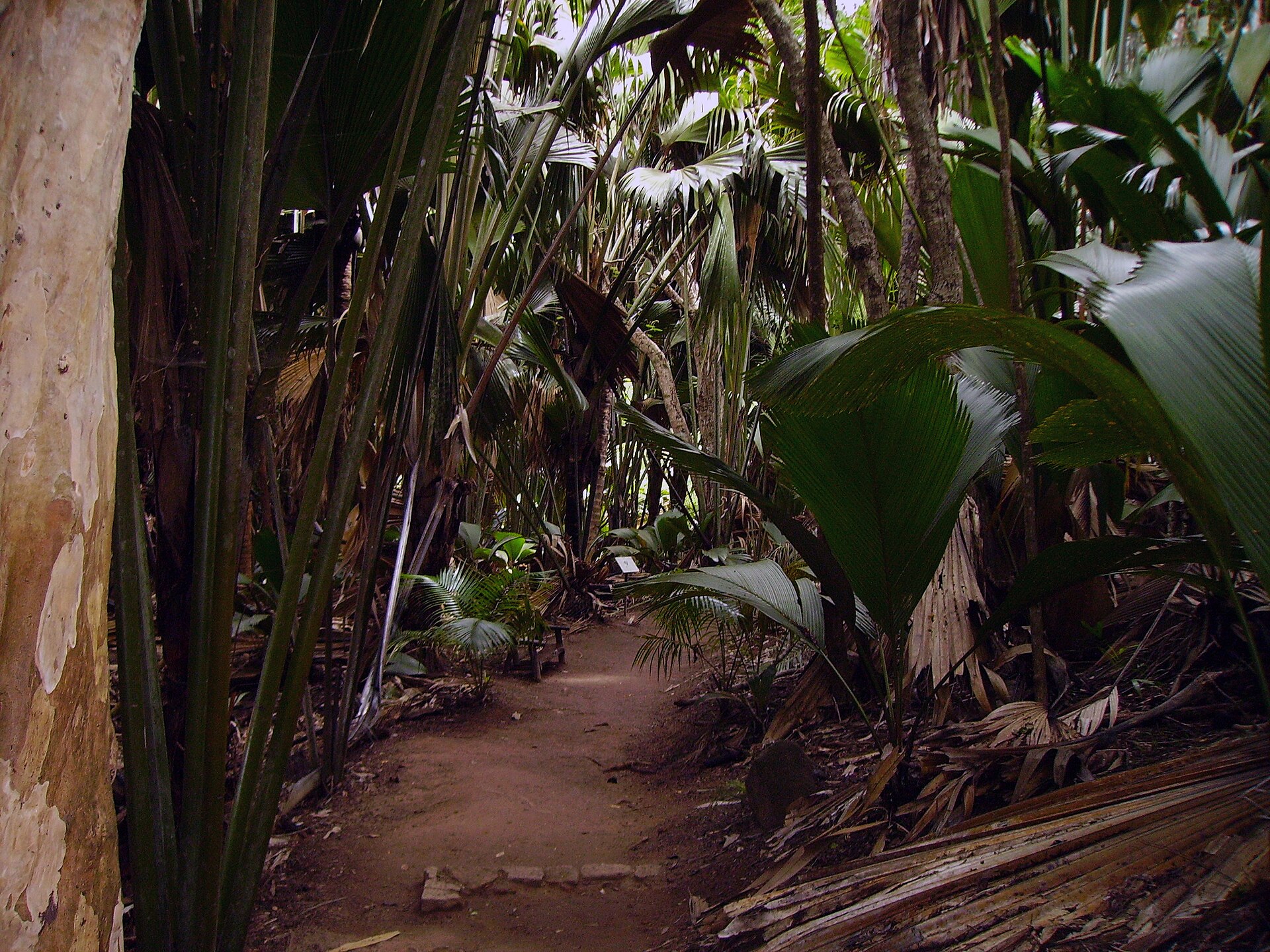
The Seychelles' second UNESCO site — the legendary Vallée de Mai. Such an extraordinary place that it was once considered the original Garden of Eden. This ancient forest contains around 6,000 coco de mer palms — one of the botanical wonders of the world. Six endemic palm species and the last refuge of the endangered black parrot.
Anse Lazio — Praslin's most celebrated beach, regularly ranked among the world's top ten. Framed by granite boulders, with soft white sand and transparent water — ideal for swimming and snorkeling. Nearby restaurants Bon Bon Plume and Le Chevalier are perfect for lunch.
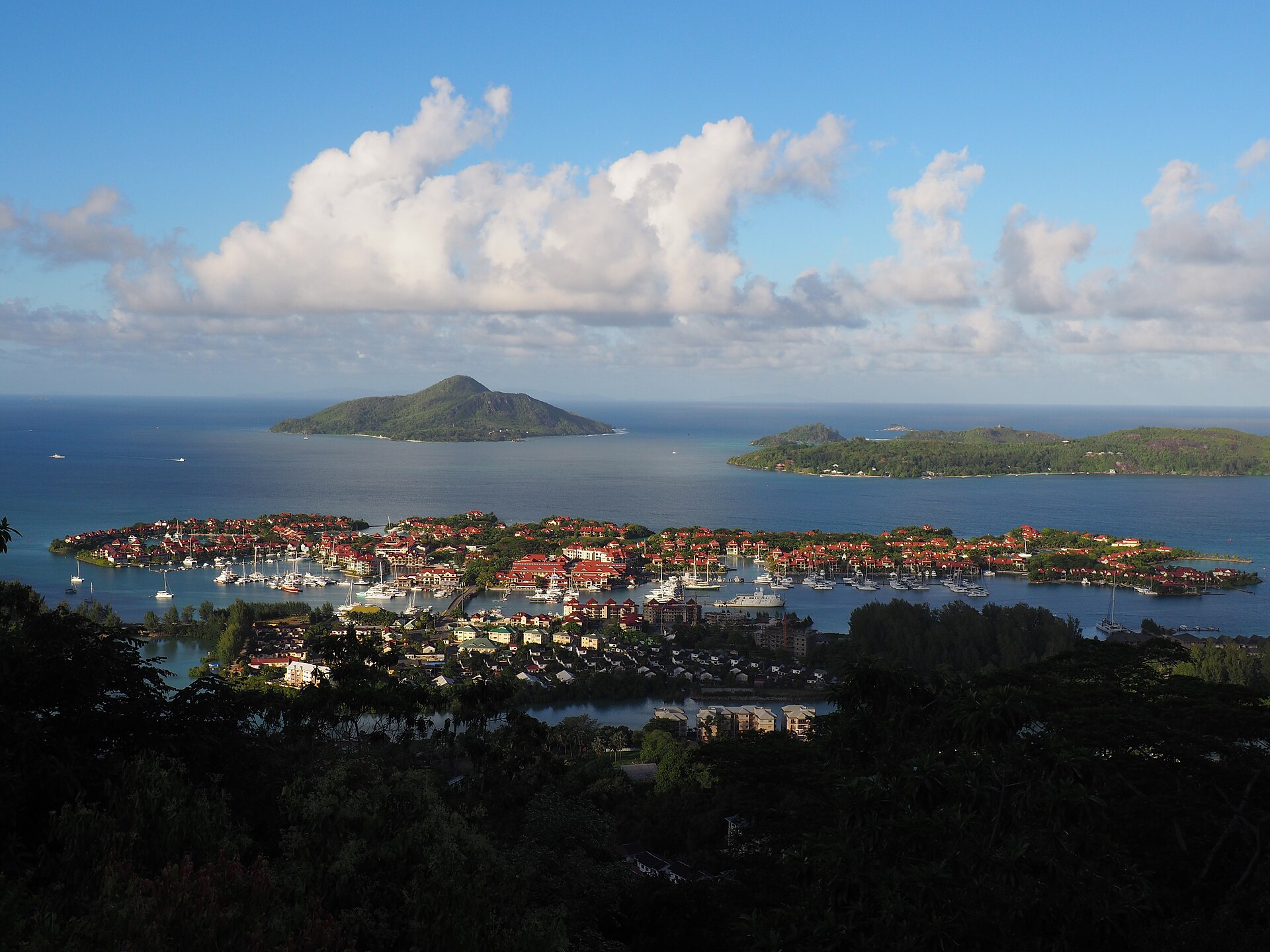
Anse La Farine → Cousin (30 min) → Mahé (4 h) · Eden Island Marina
~40 milesdepart by 07:00Cousin Island ReserveVictoria
Cousin — a special nature reserve off the south-west coast of Praslin. Home to the rarest birds of the Seychelles: the Seychelles warbler and the Seychelles magpie-robin. A reserve since 1968, a special nature reserve from 1975. Every year 250,000 birds nest here: sunbirds, turtle doves, moorhens, terns, frigatebirds and shearwaters. Giant Aldabra tortoises and hawksbill nesting grounds. Guided tours 09:30–12:00, Mon–Fri.
After Cousin — passage to Mahé with fishing lines out. Refuel the catamaran, berth at the marina by 17:00. Farewell dinner in Victoria. Return the catamaran on 19 December by 09:00.
Start of the north-west monsoon. Winds 10–18 knots, occasional short downpours. Seas between the islands remain calm. Check Windy every morning and adjust the route if needed.
⚓
Anchorages
Most anchorages are free. Some popular beaches have mooring buoys — use them when available. Always check depths on Navionics. If needed, find a berth in a marina for the night. Sainte Anne is a national park with its own rules.
🤿
Equipment
Masks, snorkels and fins are on the catamaran. Best reefs on the route: Sainte Anne, Île Cocos, Saint-Pierre off Praslin, Cousin. Visibility in December 15–25 m.
The reserve is open 08:00–17:30. Book tickets online in advance — it's a popular site. Best to arrive in the morning, before the heat and tour groups. A guide is optional but adds a lot.
Bicycle hire is available right at the jetty, 150 SCR per day. Anse Source d'Argent — paid entry via L'Union Estate. Aim to arrive at opening time (09:00): by midday the beach fills up with ferry tourists.
🐢
Turtles
December is an active nesting season. On Curieuse and Cousin the chances of encountering a hawksbill are especially high. No torches, no noise — keep a distance of 5–10 metres.